Nobody needs a Ferrari. That is the whole point.
What does a luxury sports car have in common with a luxury watch? We do not need either of them. In fact, nobody does. A mechanical watch keeps worse time than the phone in your pocket. A 1,000-horsepower car is illegal to use as intended on almost every road on earth. And yet people become genuinely, personally heated about both – about a new model, a new movement, a new collaboration – as though something had been done to them.
That reaction is the most important thing in luxury, and it is the thing that most commentary misses.
Ferrari trades cars for cash. But it sells something far larger, and almost none of it has to do with moving from one place to another. Nobody becomes better looking, a better driver, or a better person because they own a Ferrari. That the marque is a founding member of the Formula One grid makes a customer in the 2020s no smarter and gets them no more conveniently from A to B. That racing sits at the core of the brand's DNA, that there is an Italian orthodoxy to how it is run — none of this can be made tangible. It is almost entirely emotional. And yet people demand that the emotion be expressed through something they can see and touch. A car. A Ferrari. A real Ferrari.
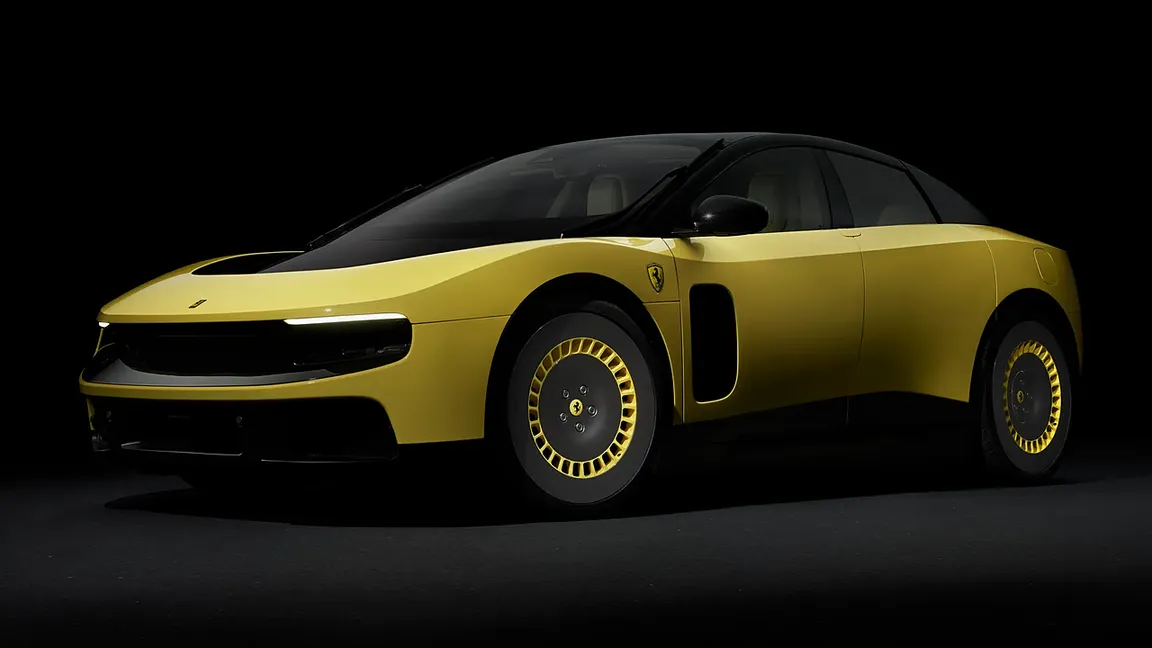
That single word — real — is where the trouble always starts.
The loyalty that holds
Ferrari's customers and fans are unusual and worth understanding before judging any reaction to a new model. The Tifosi will accept years of underperformance in Formula One and still support the Scuderia, still hope for next season, and still wear the red. They mourn and they complain, but they stay. Their attachment is built on identity, not results, and that makes it unconditional.
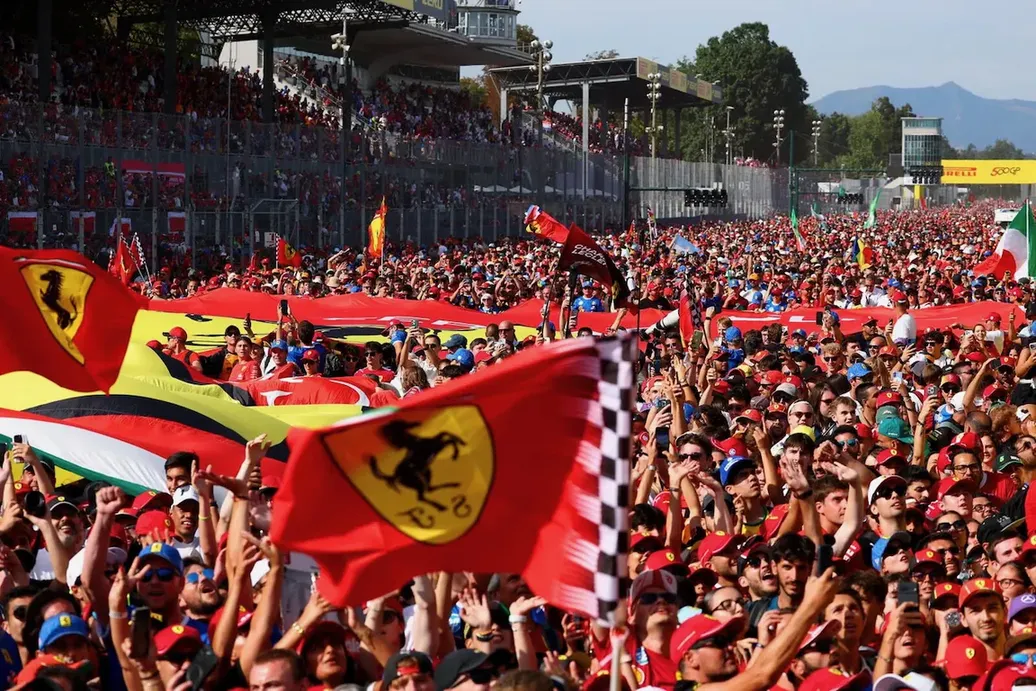
Compare that with the "papaya crowd" around McLaren, which swelled as McLaren's Formula One result improved, and the team assembled a young, likeable driver lineup. That is support that follows success. Ferrari's runs deeper — and is far more valuable and far more dangerous to disturb.
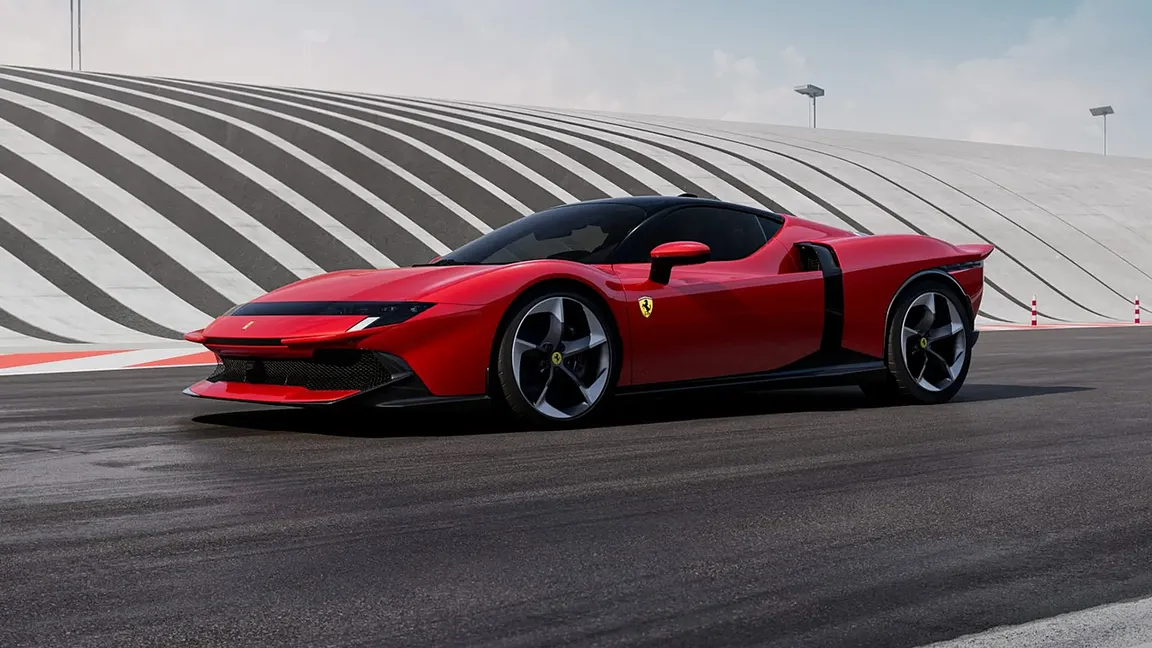
It is also why criticism of a new Ferrari is ordinary. The base grumbles at almost everything. The SF90 was a technical landmark, yet it sat awkwardly between models and divided opinion on its design. The F80 drew a brutalist response and complaints that a halo car should run more than a V6 — and then sold out long before its public debut, every car spoken for. The 12Cilindri is a handsome continuation of the grand touring tradition, yet it earns criticism for details such as the strips across its bonnet. The 849 Testarossa, like the SF90 before it, is praised for its engineering and questioned on its design.
A degree of mourning greets nearly every new Ferrari. The question is always whether the brand has poked at the edges or shaken the foundations.
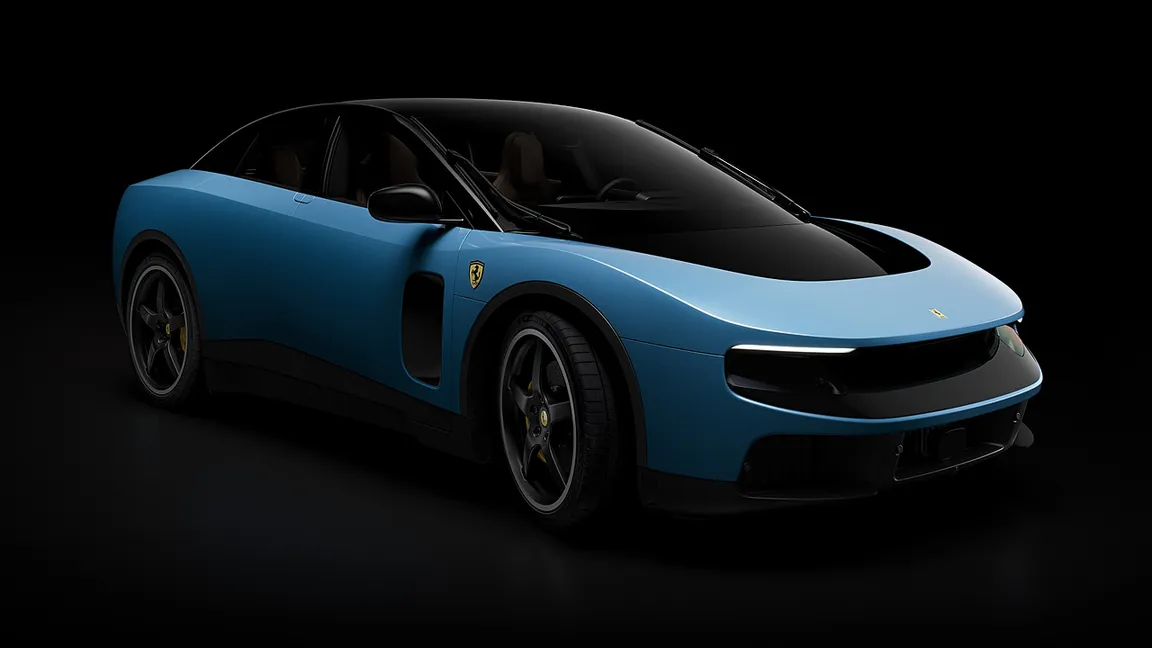
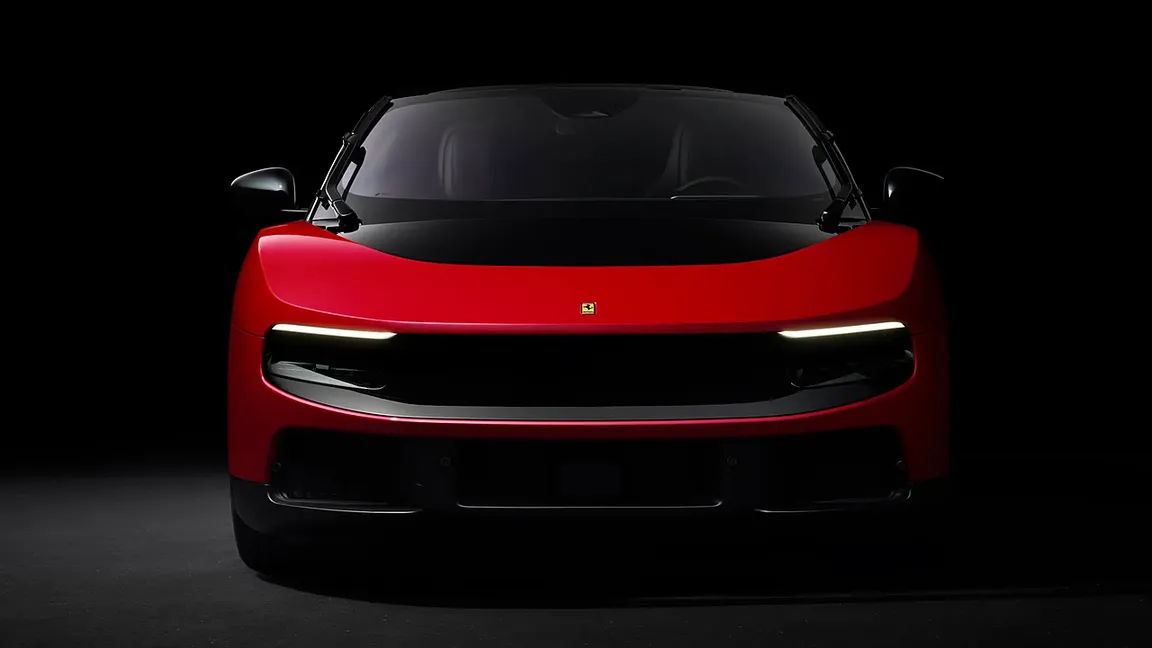
With the Luce, it shook the foundations.
What the purists are really defending
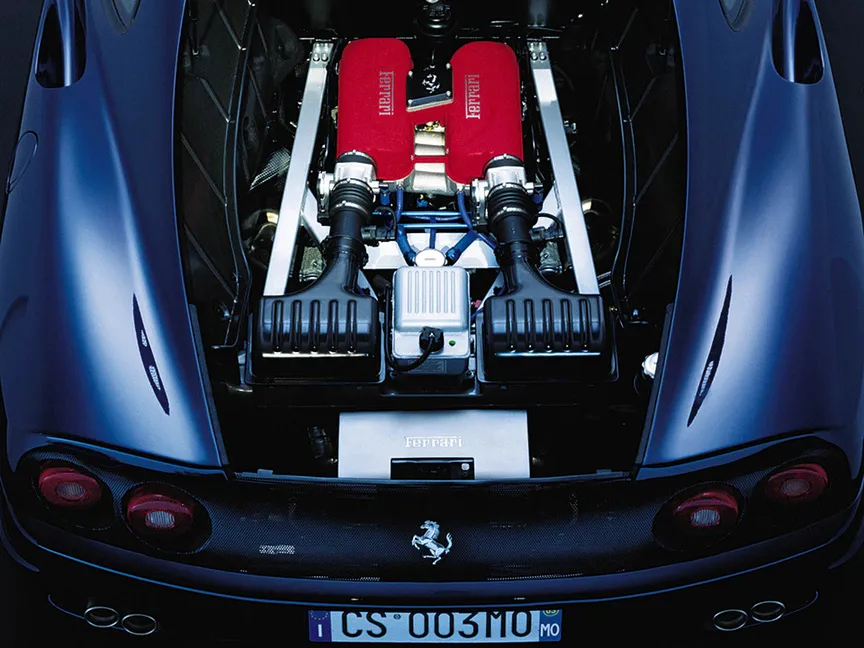
For many, the golden era sits about twenty years ago, when everything aligned and was therefore easy to understand — and what is easy to understand is easy to love. The range read like a sentence anyone could follow: a V8 entry car, the 360 Modena, later extended with a Spider and a sharper Challenge Stradale; a front-engined V12 grand tourer, the 550 and 575M giving way to the 599, with harder-edged GTO versions to follow; a V12 2+2 in the 456 and later the 612 Scaglietti; and a limited halo model for the most loyal top clients, the Ferrari Enzo. Pininfarina drew the cars. Michael Schumacher won titles. Luca di Montezemolo ran the company. Heaven on earth for Ferraristi.
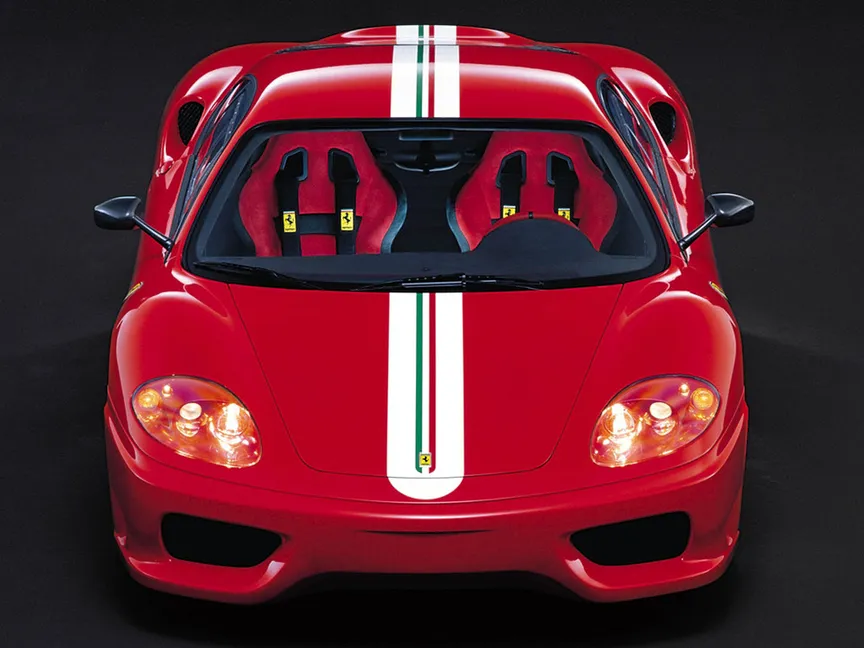
That legibility is what is being defended. When a range reads clearly, change registers as betrayal rather than evolution. And the Luce broke the sentence.
The car that broke the sentence
Getting electrification right is difficult for any luxury brand and hardest of all for those whose identity is built on a high-performance engine and the number of cylinders beneath the bonnet. Few customers asked for an electric Ferrari. Regulation did — the EU, I'm looking at you — alongside a broader societal and sometimes subcultural sentiment. Electric cars themselves are old news: Tesla, the BMW i3 and others arrived years ago. But those were built from the ground up as electric vehicles, conceived around the technology. The established luxury sports-car brands waited, hoping to find a clientele open to an electric offering and new customers to win with something different.
The engine sits at the very centre of all this. Enzo Ferrari built road cars with limited comfort for one reason: to fund his racing, and his racing was about engines and performance. From the first day, the engine was the core of Ferrari's DNA — which is exactly why the purists hold to it and why taking it away cuts so deep.
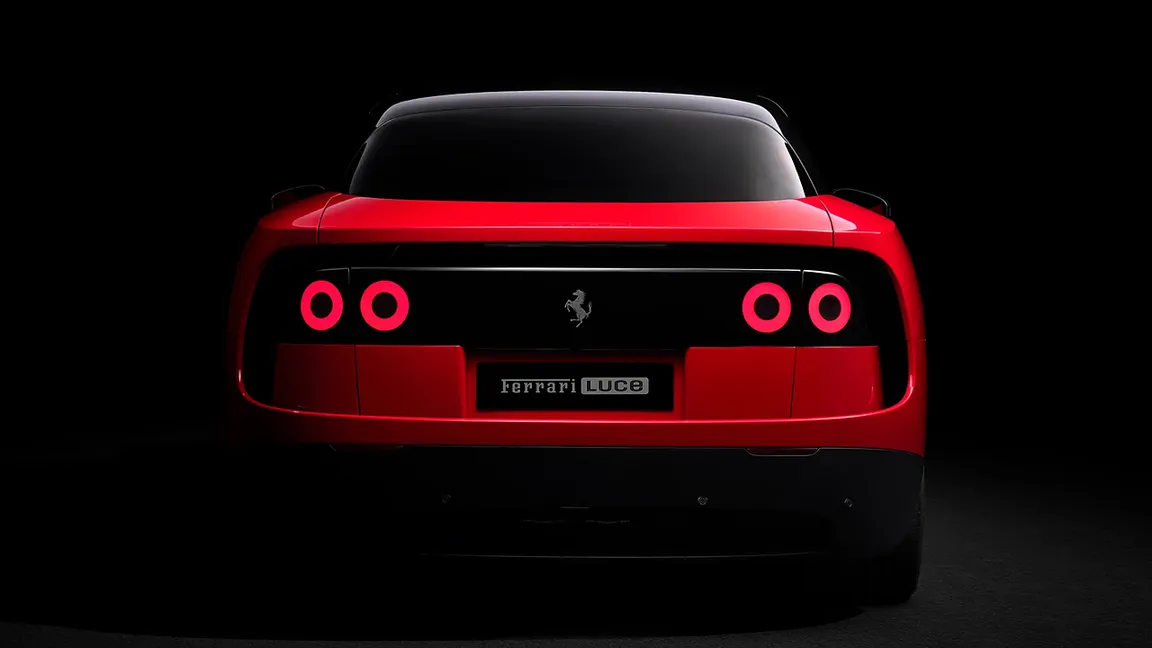
When Ferrari first revealed the Luce's interior, some months before the exterior, the response was already mixed. The purists were alerted but still hopeful. Then the covers came off the car itself, and the reaction was fast and almost uniformly negative. With social media and AI as flywheels, the mockery escalated within hours. The design was likened to a computer mouse, an Apple Store minivan, and a luxury toaster. What stung was the design itself, not the powertrain — plenty of electric performance cars, from Rimac to Yangwang, manage to look like something with a beating heart. The Luce's proportions and overall shape felt thoroughly un-Ferrari when nothing about going electric required them to.
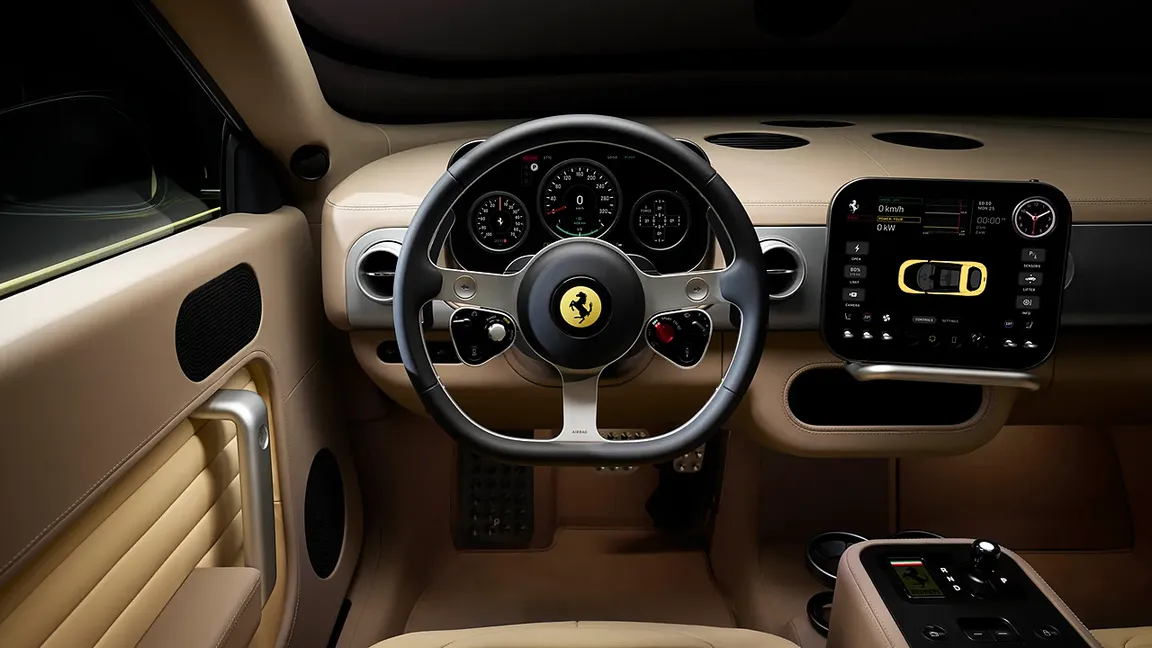
Some online comments went further, suggesting the whole thing was deliberate — designed to make people cherish the other models or to prove to Brussels that electric cars simply do not sell. That is the temperature of the discourse rather than a serious reading of it.
The most weighted voice was not anonymous. Luca di Montezemolo, who chaired Ferrari from 1991 to 2014 and was Enzo's personal assistant in the early 1970s, said this in public: "If I were to say what I really think, I'd be doing Ferrari a disservice. We risk destroying a legend, and I'm truly sorry about that. I hope they at least remove the prancing horse from that car." When the man who spent decades building the legend speaks of things destroying it, the words carry a particular weight.
The market answered with brutal speed. Ferrari shares fell sharply the day after the launch — somewhere between six and eight per cent, wiping out roughly three billion pounds of market value in hours, on no change to the business other than how a car looked. Set that against Ferrari earning roughly €117,000 of net profit per car, the most profitable manufacturer in the industry by a distance. Sentiment moved the valuation overnight while the fundamentals that generate that profit stood still. That gap is the whole story.
Ferrari’s official statement frames the Luce as part of a multi-energy strategy – what it calls technological neutrality: electric power is one option among several, and it does not replace the engines. The V8s and V12s stay. The Luce is additive — a new segment in the range rather than a substitute for anything already in it — and it is aimed at a new customer while the existing one is kept firmly in view.
This has happened before — and the verdicts changed
None of this is new. The pattern repeats, and it repeats most visibly at the brands people care about most.
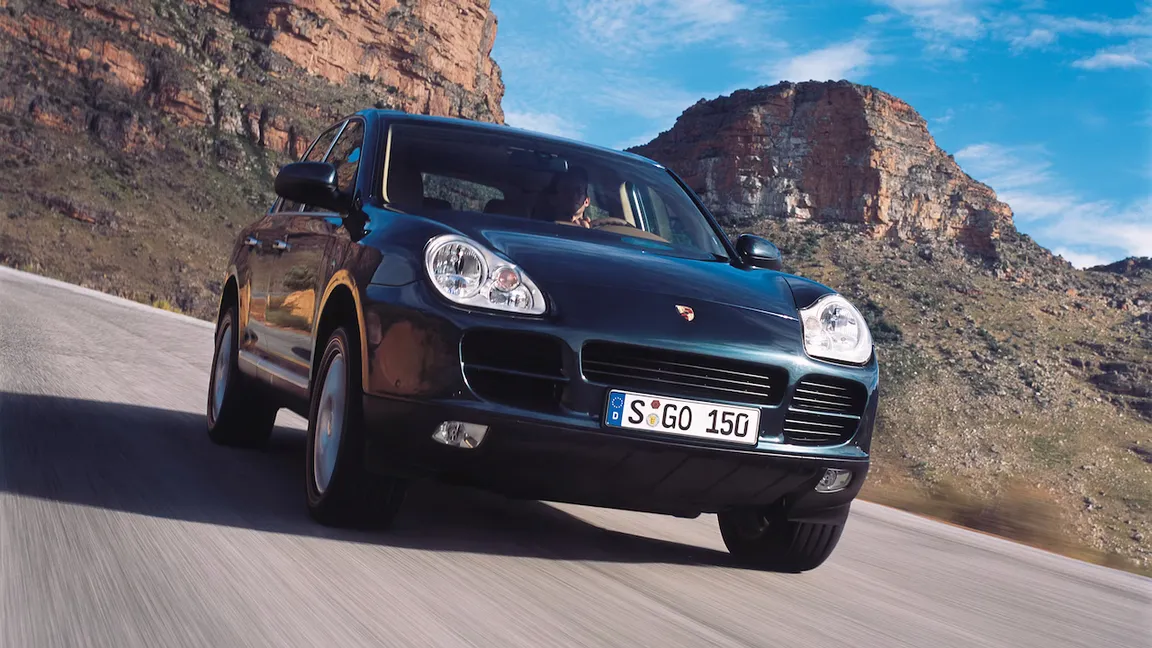
Consider Porsche, which has been told it betrayed itself several times. When the 911 moved from air-cooled to water-cooled engines in the late 1990s, purists declared the car had lost its soul — though the change was what kept the company alive. When the dashboard's separate dials were merged, traditionalists objected. When the Cayenne arrived in 2002, the reaction was close to fury: a sports-car maker building an SUV struck many as sacrilege. When the Panamera followed, the same charge returned — not a real Porsche. Every one of those decisions is now simply part of what Porsche is. The Cayenne in particular went from "betrayal" to roughly sixty per cent of the company's sales, a Harvard Business School case study, and the car credited with pioneering the entire performance-SUV segment across the industry. It funded the very sports cars the purists wanted to protect.
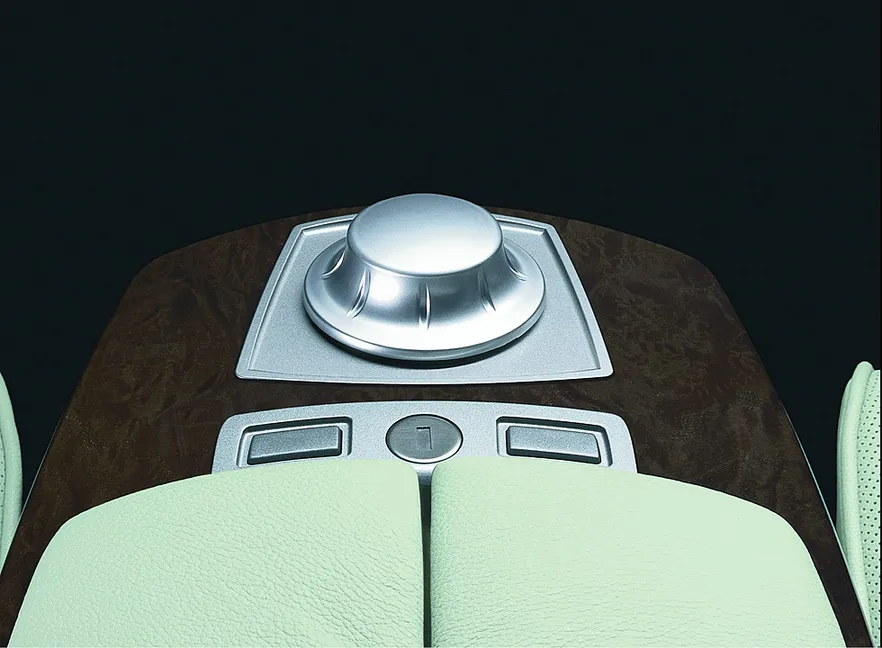
The same lesson sits in other corners. BMW's iDrive controller was ridiculed at launch in 2001 and became an industry standard. Ferrari's own Purosangue had enthusiasts spilling their espresso at the idea of a four-door Ferrari; it is now one of the company's strongest commercial performers — and Ferrari was careful enough to avoid calling it an SUV.
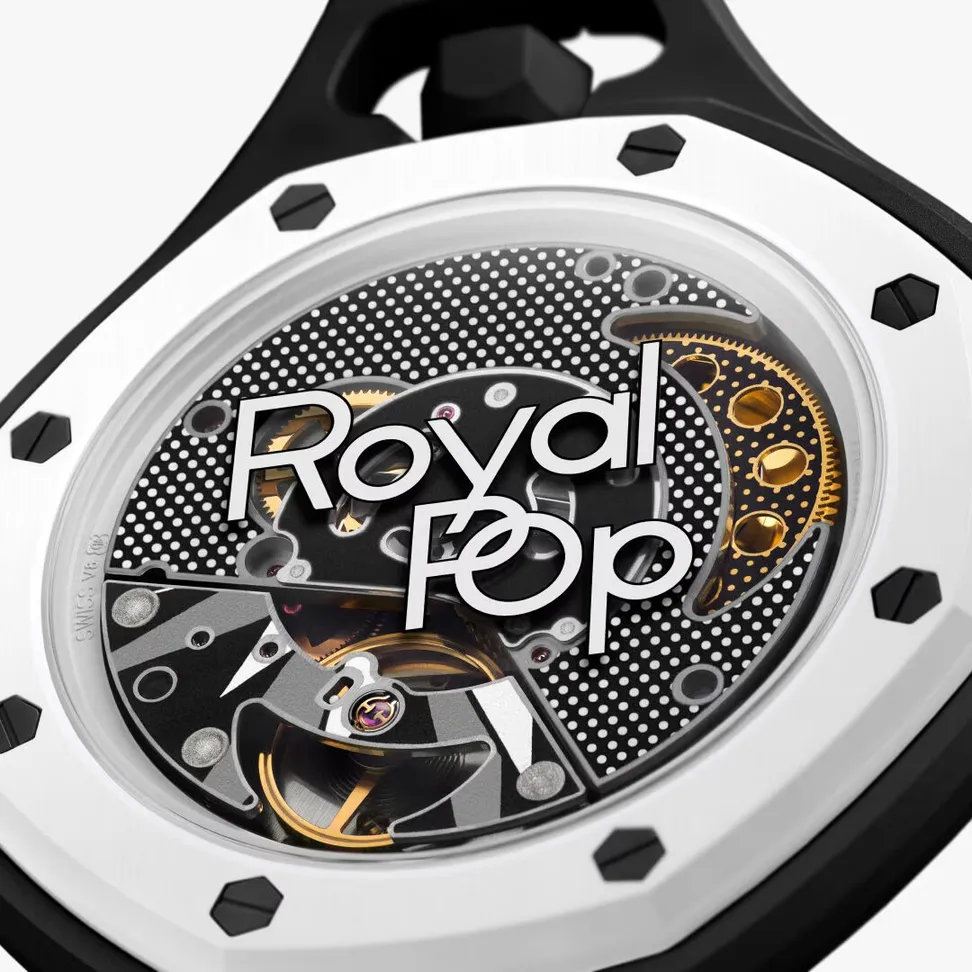
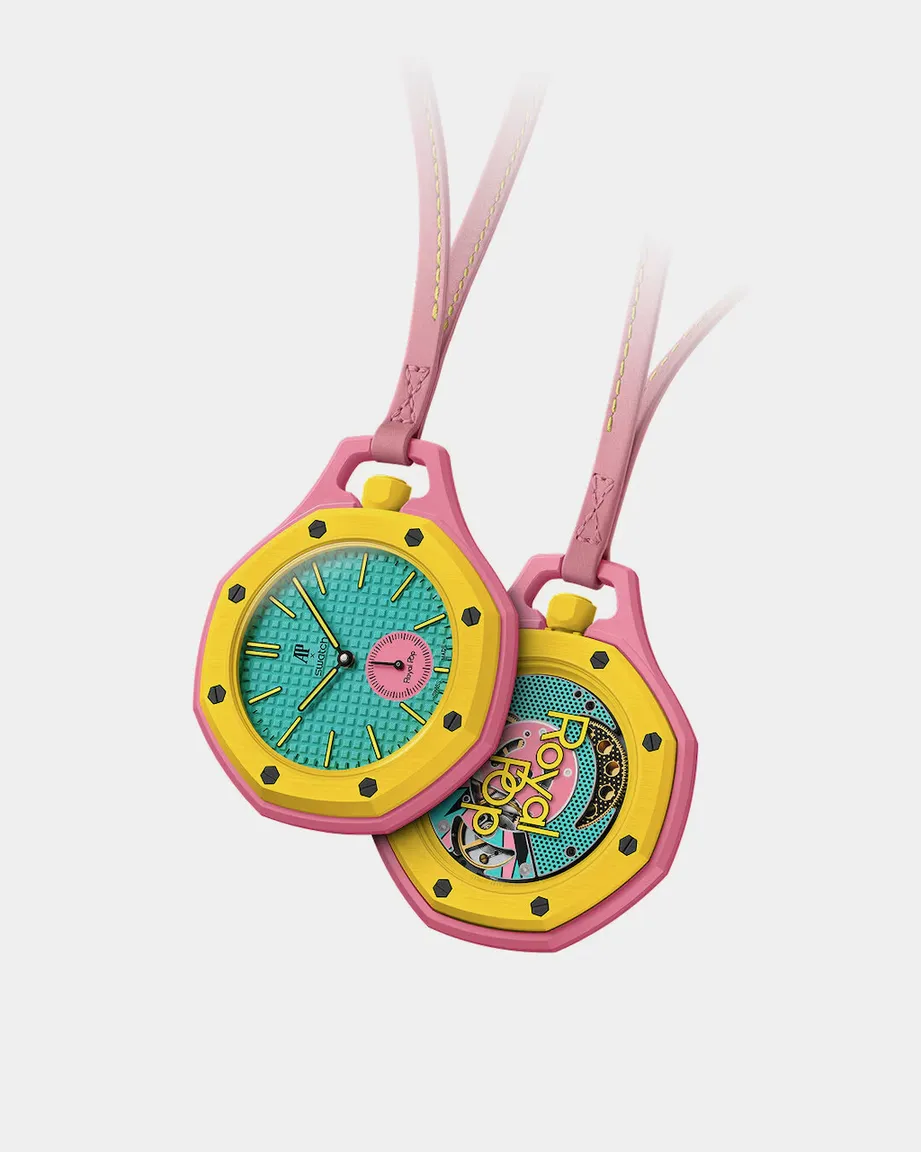
The pattern extends well beyond cars. In watches, the Audemars Piguet collaboration with Swatch produced the same split: loyalists furious that a brand built on scarcity had gone mass-market, others delighted simply to own a piece of it, and a global audience arguing online over whether it helped or harmed the brand. Audemars Piguet reported its website receiving more than ten times a normal year's traffic in a single day. In fashion, the original luxury-meets-mass collaboration — Karl Lagerfeld for H&M in 2004 — sold out in minutes and became the template every later collaboration followed. Tiffany's tie-up with Nike drew the now-familiar cry, "Does Tiffany even have a brand identity anymore?" And Burberry offers a different lesson again: it replaced its heritage identity in 2018, then quietly reinstated the equestrian knight a few years later, the designer himself calling the reversal a management mistake and warning that a brand of that scale should hold on to continuity.
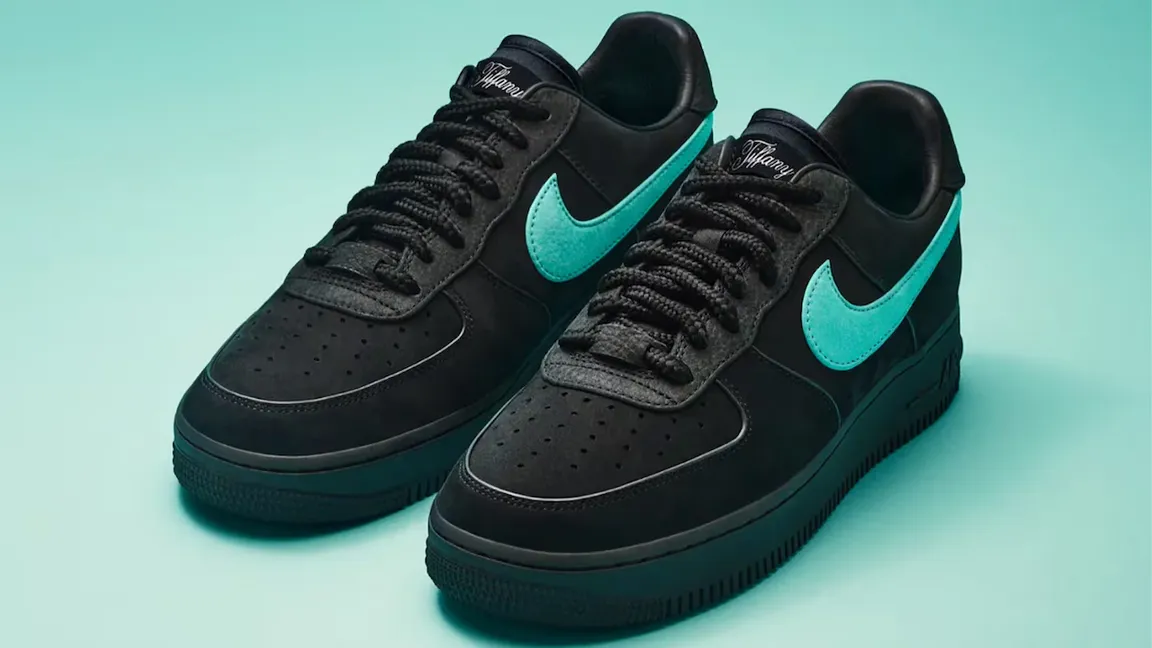
One detail is worth keeping. A week after the Audemars Piguet Royal Pop "scandal", the conversation had almost gone quiet. The outrage had a short half-life. The Ferrari conversation will run far longer — and the reason matters.
What they share, and where they split
Strip these episodes back and a common thread appears. Each broke with a signature element of the brand's identity, and each drew a backlash for it. But the intent, in most cases, was progress rather than provocation. Water-cooling, the merged dials, and the move to electric — these were answers to regulation, engineering and survival, demanding a step beyond tradition. The controversy was a result, not the goal. The aim was a better or more viable product. That distinction matters, because it separates genuine innovation from change made simply to be talked about.
The outcomes, though, diverge sharply, and the reason is judgement.
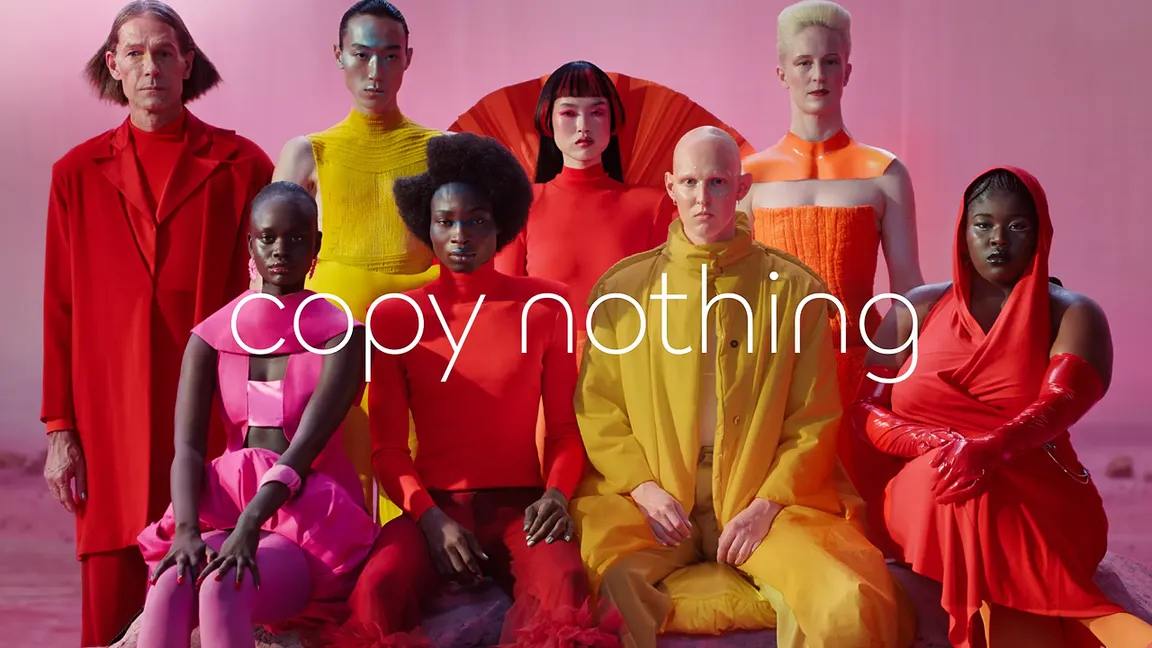
Set Ferrari beside Jaguar. Both made a polarising move. Both walked away from a visual signature. Yet Ferrari changed a single variable — it added one new, divisive model to a range that otherwise remained intact. The 296, the 12Cilindri, the Purosangue all still sit in the showroom. The dealers, the identity, the existing cars, and the customer relationships are all untouched. And it moved from a position of extraordinary strength: the most profitable carmaker in the world, with a deep and desirable portfolio.
Jaguar did the opposite. It changed every variable at once — a new model direction, a new brand identity, a new advertising campaign, even a new intended distribution approach — and it did so from weakness, lacking Ferrari's profitability or product range to absorb the shock. Worse, it wound down production of its existing petrol cars before the replacements were ready, leaving dealers with empty showrooms. Ferrari disrupted from continuity. Jaguar removed the floor before the new floor existed.
The brands that choose to hold
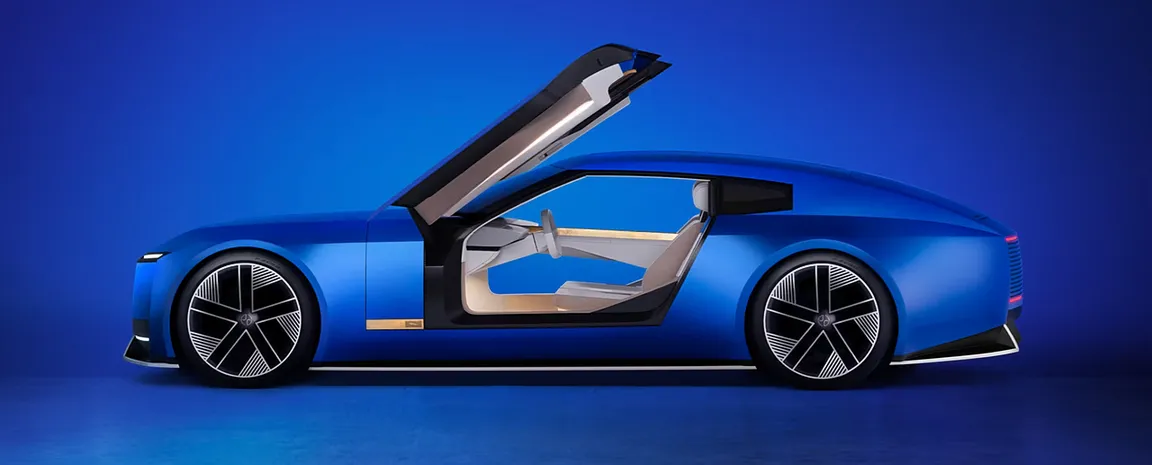
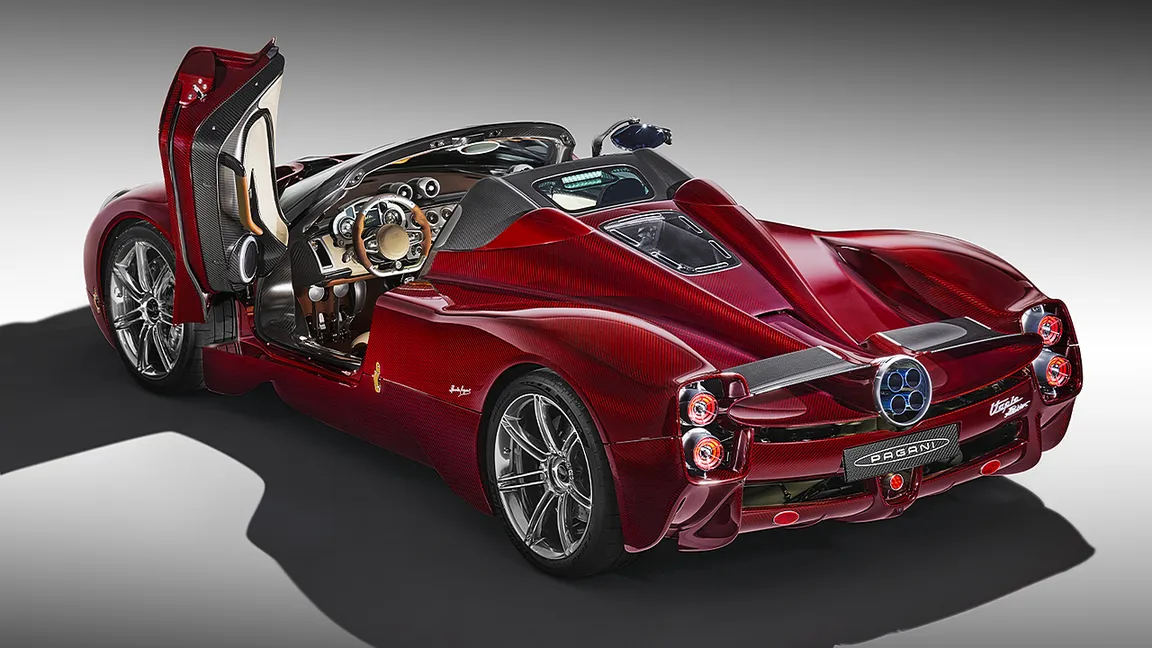
There is a further point the disruption narrative skips. No brand is obliged to move in the same direction, and some hold their ground. Pagani, Koenigsegg and Bugatti have shown little interest in going fully electric or in surrendering their interiors to large touchscreens. They have read their own customer and their own identity and concluded that the analogue, engine-led experience is the product.
So the question is always more than whether to disrupt. It is whether you understand where your identity actually lives and whether moving strengthens or hollows it. For some brands the brave move is to change. For others it is to hold the line while the market chases the same trend. Both can be right. Both demand an honest read of who you are and who you are for.
Why cars are not fashion
One structural fact gives luxury automotive brands more patience than fashion brands. A fashion brand can create and forget within a single season; if a collaboration misfires, the next drop is weeks away. A car is different. From the first idea to the showroom takes at least five years, and the model then remains in production for another five years or more. Between conception and reality, the public mood can invert entirely.
This cuts two ways. A car maker who chases today's sentiment will arrive with a stale product, because the mood will have moved on long before the car does. And early outrage is a poor guide to commercial fate — the water-cooled 911 and the Cayenne were both condemned at launch and vindicated over the years that followed. The judgement that counts asks what this customer will value across the decade the product will live, well beyond what the room feels today.
From reading the room to winning on the floor
Reading the room is treated as instinct. It is not. It is a capability — the ability to distinguish the audience that comments from the audience that buys, to understand what a specific customer actually values, and to know whether a brave move builds the brand or breaks it.
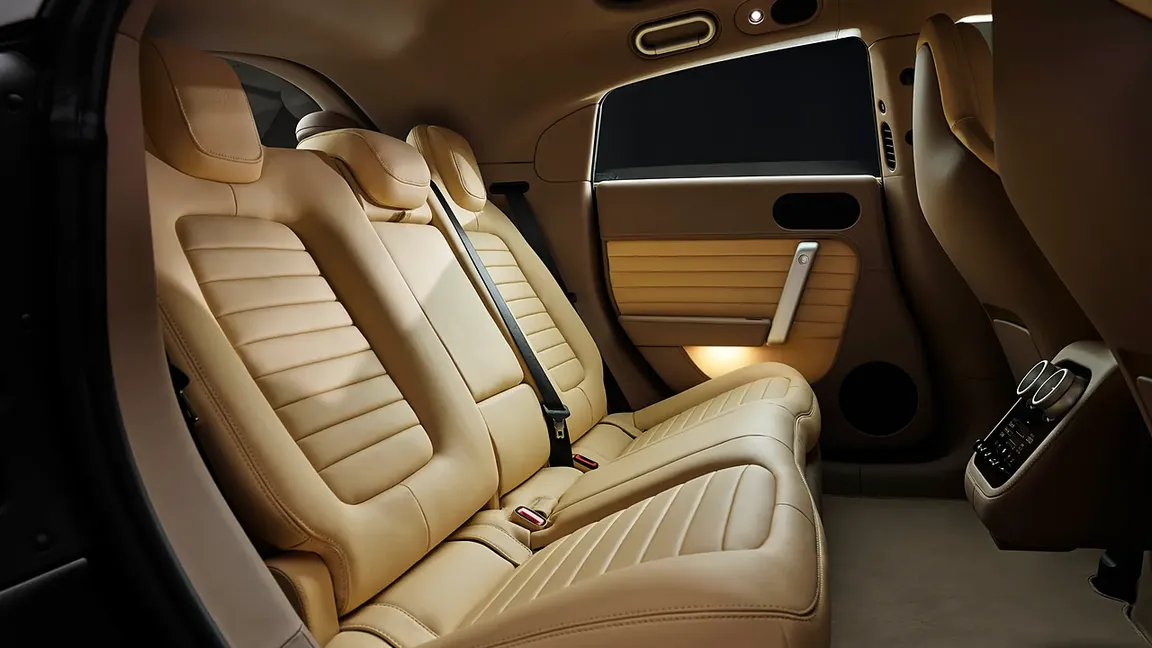
Part of this sits at the level of the individual client, and it is where I use my 360 Client Mapping tool, one of five proprietary frameworks I have developed to strengthen client engagement and commercial performance in luxury retail and hospitality. Its purpose is to move teams beyond surface segmentation to a real understanding of who a client is, why they buy, what they feel, and how they want to be engaged. It matters directly here because the Luce is built for a different customer from Ferrari's loyal base — a buyer who may never have loved the engine note and will not miss it. Understanding that individual deeply, instead of assuming they think like the existing client, is exactly the work 360 Client Mapping is designed to do.

When a brand evolves — a new model, a new collection, a new direction — the frontline carries the story, and they carry it while the noise is loudest and the questions are sharpest. This is where I use my PEARL framework, which develops frontline capability across product knowledge, empathy, adaptability, relationship building and leverage. It pairs commercial acumen with genuine human understanding, so a moment of doubt becomes a confident conversation and a client who stays.
This is the work I do: helping luxury brands build convincing brand stories and turn them into retail and sales excellence, so the decision made in the design studio survives the journey to the showroom floor.
Closing Reflection
I grew up in the era these purists are defending, and I feel its pull. There is a real loss in watching a brand you love build something that breaks the picture in your head. The emotion is genuine, and it deserves respect.
Yet every brand has to move — on powertrain, on design, on what comes next — even one whose mythology rests on a specific engine note. What separates the survivors is the ground they move from: strength or weakness, continuity or a removed floor, a room well read or a room ignored.
Other brands get mocked. Only a rare few get mourned. The volume of the reaction to the Luce measures how much Ferrari still means — and in five years we will know whether the design was a brave inflection point or a misstep quietly corrected.
The question worth holding is the harder one: how far can an iconic brand stretch before it stops being itself — and who, exactly, gets to decide?
All photographs used here serve purely as illustration. All rights remain with their original creators and owners.