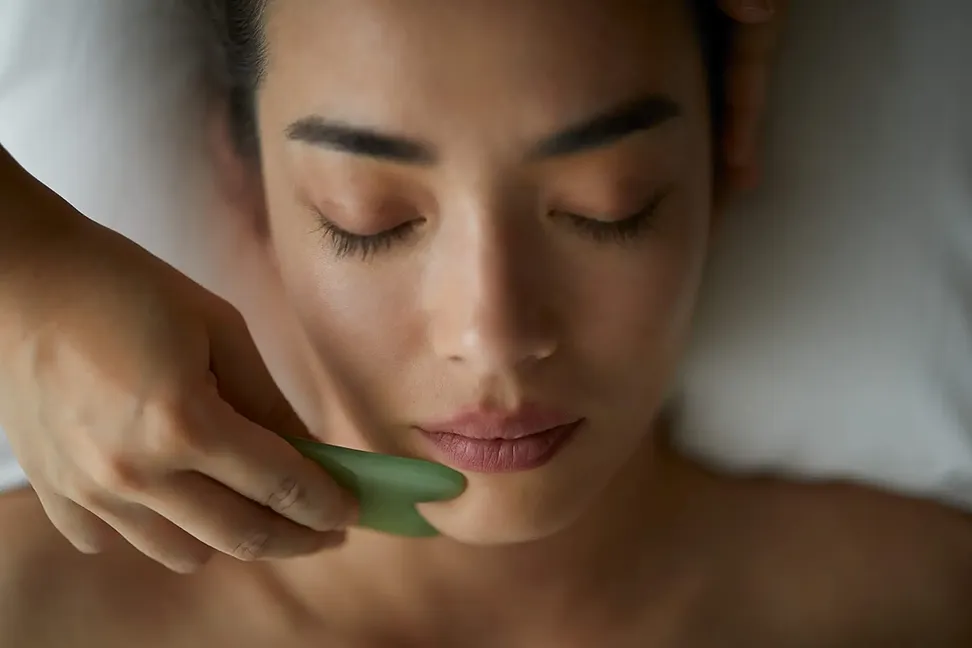
From Indulgence to Outcome: The Rise of Precision Wellness in Asia
For decades, wellness in luxury was positioned as an enhancement.
A spa treatment. A relaxation ritual. A temporary escape from daily pressure.
This model reflected a time when luxury was defined by visible indulgence — moments designed to stand apart from everyday life.
That distinction is now dissolving.
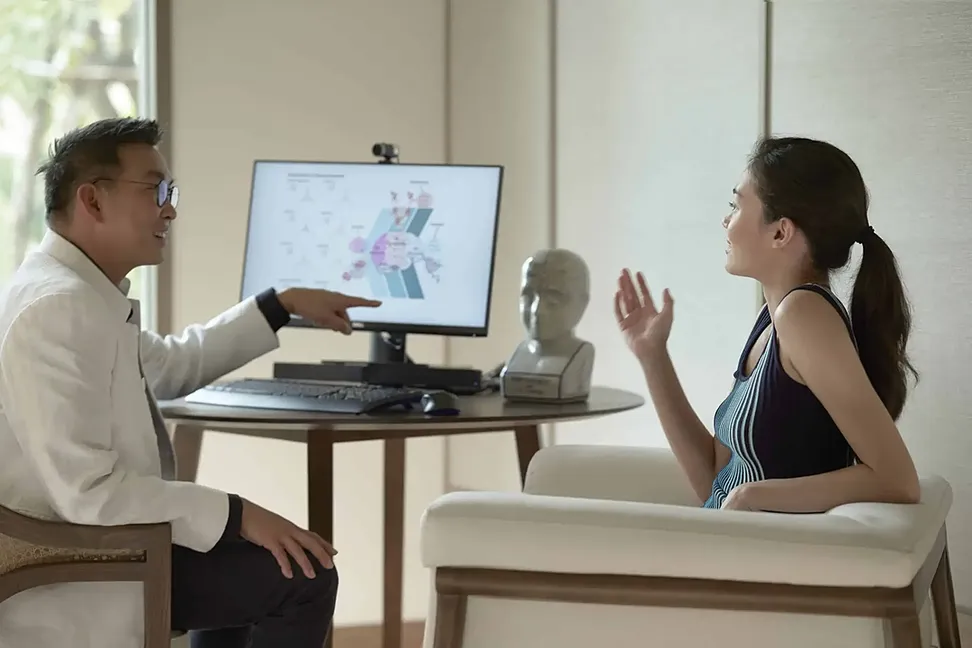
Across Asia, luxury wellness has evolved into a structured, outcome-driven system. At destinations such as Rakxa Wellness in Bangkok, guests engage in tailored programmes that integrate medical diagnostics, personalised nutrition, and targeted recovery therapies.
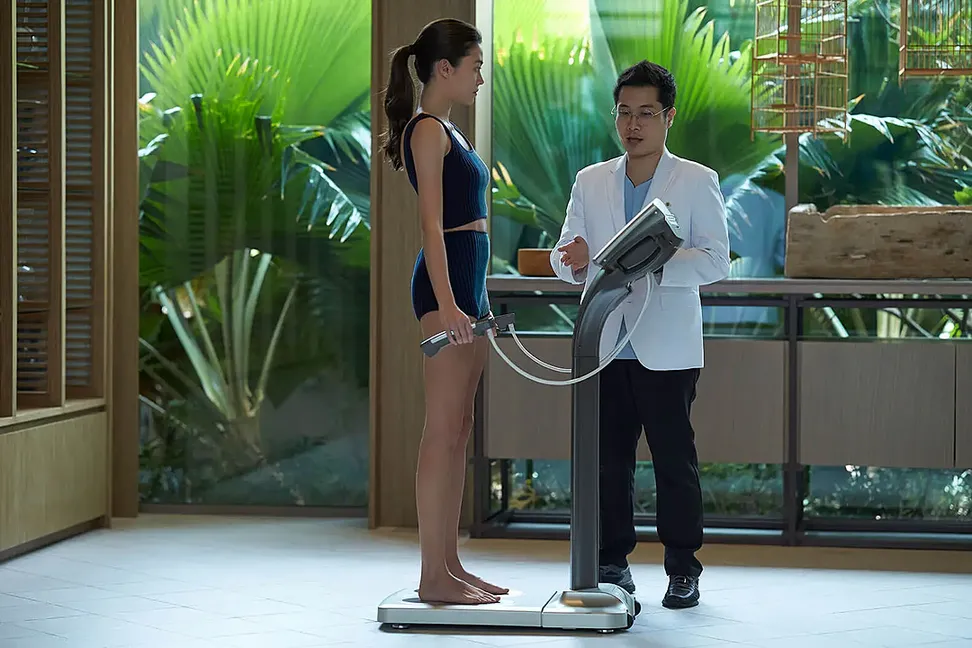
These programmes operate with a level of precision that was previously associated with clinical environments. Measurements such as VO₂ max, body composition via DEXA scans, and inflammatory markers establish clear baselines and allow progress to be tracked over time.
Clients are no longer selecting treatments. They are following programmes. The expectation shifts accordingly.
Wellness is no longer defined by how relaxed a guest feels during a stay. It is defined by what improves after it — better sleep, metabolic balance, cognitive clarity, and sustained energy.
Targeted interventions such as IV nutrient therapy, biometric tracking, and personalised supplementation reinforce this shift. These elements form part of a structured system designed to deliver measurable outcomes rather than temporary relief.
Properties such as COMO Shambhala in Bali extend this approach further by integrating movement, nutrition, and recovery into a cohesive programme that influences both physiological and emotional states.
Wellness moves from indulgence to outcome – and in doing so, it begins to redefine what luxury means.
From Retreats to Daily Systems: How Longevity Is Entering Everyday Life
The evolution of wellness does not stop at improved retreats.
It changes how wellness is structured.
For a long time, wellness was tied to location. Clients travelled to Bali, Thailand, or other destinations to reset and recover.
This model remains relevant, but it is no longer sufficient.
Urban longevity environments are emerging that integrate wellness directly into everyday life. Concepts such as MORROW in Singapore illustrate how wellness is evolving into a structured, membership-based system.
Rather than offering isolated treatments, these environments combine diagnostics, movement, recovery technologies, and nutrition into a continuous cycle of performance and regeneration. Clients engage regularly, not occasionally, with programmes designed to track progress, optimise recovery, and improve long-term resilience.
This model introduces a different logic of engagement. Wellness is no longer tied to travel. It becomes part of a daily routine – supported by data, guided consultations, and structured progression over time.
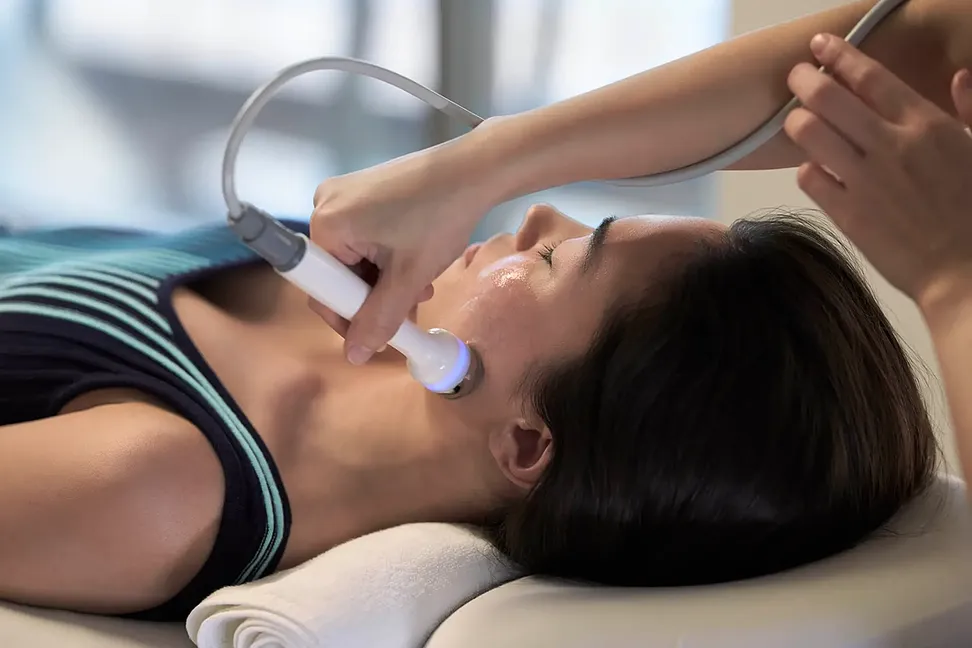
Cryotherapy, red light therapy, and structured recovery protocols are embedded into routines designed to optimise recovery and manage stress. Consultations and guided sessions help clients interpret their data and adjust behaviour accordingly.
The relationship shifts from consumption to progression.
Wellness becomes continuous, measurable, and integrated into daily life.
Engagement moves from occasional recovery to sustained support for health and performance.
Designing for Recovery, Not Display
This shift has direct implications for how luxury environments are designed.
Traditionally, design focused on aesthetics, visual impact, and material expression. While these elements remain important, they no longer define value on their own.
Wellness introduces a different dimension — how a space influences physical and mental states.
Leading properties increasingly integrate the following:
- advanced air and water purification systems
- circadian lighting aligned with natural rhythms
- acoustic control to reduce cognitive fatigue
- sleep-optimised environments
- dedicated spaces for decompression and recovery
At properties such as COMO Shambhala, circadian lighting and personalised movement programmes are designed to regulate energy levels and support recovery throughout the stay.
These elements often operate quietly, yet they shape how clients feel, how they recover, and how they perform.
This also challenges traditional commercial logic.
Spaces designed for recovery may not maximise revenue per square metre. Yet they elevate the overall experience, strengthen emotional attachment, and increase long-term loyalty.
Luxury becomes less about what is visible and more about what is felt.
A Regional Shift with Global Implications
This transformation is already visible across Southeast Asia — and it is accelerating.
Thailand continues to reinforce its position as a global wellness leader.
At Banyan Tree Samui, wellness is organised through engaging hydrotherapy settings like the Rainforest experience, which blends water activities, heat treatments, and recovery practices into a complete system.
At the same time, Layan LIFE by Anantara introduces medically guided programmes designed around specific health objectives, including hormonal balance, metabolic health, and long-term vitality. These programmes combine diagnostics, nutrition, IV therapy, traditional medicine, and coaching into structured pathways.
Vietnam reflects a parallel evolution.
At Fusion Resort & Villas Da Nang, wellness is embedded as a certified system rather than a standalone offering. The property integrates movement, nutrition, holistic healing, and environmental impact into a unified experience.
Across the region, a consistent pattern emerges. Wellness is no longer framed as indulgence. It is framed as transformation.
Luxury experiences are increasingly designed to support emotional, physical, and mental renewal — from retreats to celebratory travel and milestone moments.
At the same time, leading hospitality groups are evolving towards hybrid ecosystems that combine wellness, real estate, gastronomy, and lifestyle into integrated platforms.
Wellness is no longer defined by a single experience, retreat or treatment.
It is defined by how it supports health, recovery, and performance over time and consistently value is delivered.
From Experience to Operating Model: What This Means for Luxury Strategy
This transformation extends beyond hospitality.
It directly affects luxury retail, residences, and broader customer experience design.
Through the lens of my L.U.X.E. framework, the implications become clear.
Lead generation and CRM increasingly reflect wellness intent. Clients engage with brands that align with their priorities around health, energy, and balance.
Understanding customer journeys requires a more profound perspective. Motivations shift from status and leisure towards recovery, longevity, and emotional wellbeing.
Experience creation expands beyond aesthetics. Physical, physiological, and emotional impact become central to how experiences are designed.
Excellence in process and alignment becomes critical. Wellness must be consistent across all touchpoints. Without alignment, credibility erodes quickly.
This area is where many brands still fall short.
Wellness is often introduced as an additional feature rather than embedded as a foundational principle.
Leading brands take a different approach.
They design around wellness from the start—aligning space, services, and behaviours to support measurable outcomes.
Wellness becomes part of the operating model.
Closing Reflection
Wellness in luxury is reshaping how we measure value—not in fleeting indulgence, but in sustained presence, resilience, and clarity. As luxury markets mature, particularly in Asia, brands that succeed will be those that quietly deliver lasting relevance. In a world of constant change, it is this consistency of purpose that sets luxury apart.
All photographs used here serve purely as illustration. All rights remain with their original creators and owners.