EXECUTIVE INSIGHT
Luxury brands that scale successfully protect one core discipline: extreme empathy.
In an AI-enabled world, efficiency strengthens operations — but empathy safeguards attachment, relevance, and long-term performance.
Key Lessons for Luxury Leaders in Hospitality and Retail
- Extreme empathy is a strategic choice. When defined at the CEO level, it becomes a cultural expectation that shapes recruitment, training, and leadership behaviours.
- AI increases efficiency. Empathy protects attachment. Technology creates time; emotional intelligence determines how that time is used.
- Relevance is the new luxury differentiator. The ability to decode what matters in this specific moment to this specific individual defines premium service.
- Scaling without emotional calibration creates dilution. Sustainable growth requires disciplined reinforcement of behavioural standards, not only operational systems.
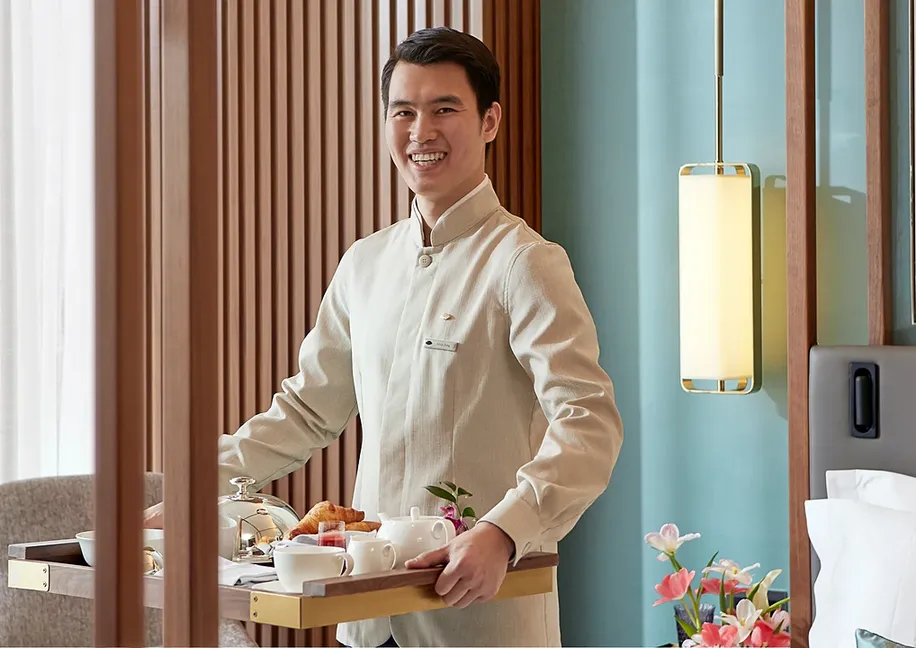
Extreme Empathy: A Strategic Discipline, Not a Personality Trait
When the CEO of Mandarin Oriental speaks about doubling the size of the group while preserving what he calls “extreme empathy", he is articulating a leadership principle rather than a marketing message.
Scaling luxury is rarely constrained by capital or demand. It is constrained by consistency. As portfolios expand and teams multiply across markets, emotional precision becomes increasingly fragile. Without deliberate calibration, service gradually becomes procedural.
By qualifying empathy as extreme, the emphasis shifts. Empathy is no longer interpreted as warmth or kindness alone. It becomes intentional, reinforced, and prioritised.
Once positioned strategically, empathy influences structural decisions. It informs how talent is selected, how managers coach, how performance is reviewed, and how standards are interpreted across cultures. It becomes part of the operational fabric.
Extreme empathy, therefore, is not accidental behaviour. It is designed behaviour.
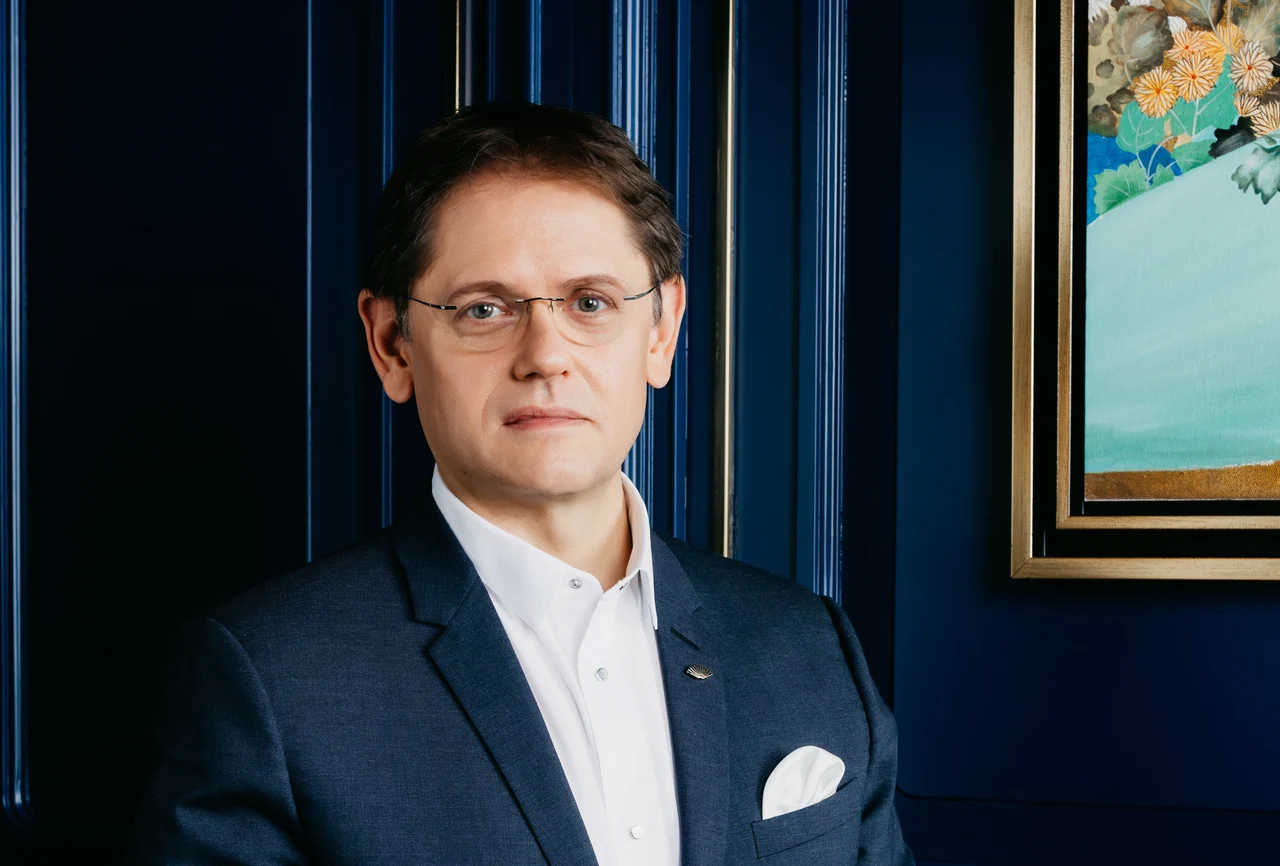
In a January 2026 McKinsey interview, Mandarin Oriental CEO Laurent Kleitman outlines the group’s ambition to double its global footprint by 2033 while preserving what he calls “extreme empathy". He emphasises brand-led, guest-centric growth, operational efficiency supported by AI, and sustained investment in talent as the foundation for scaling without diluting service quality.
Rethinking Empathy: From Social Virtue to Commercial Superpower
Empathy is often misunderstood. In everyday language, it is associated with compassion in moments of difficulty — offering support to someone who is struggling, expressing sympathy, and demonstrating care in emotionally charged situations.
In private life, this understanding is valid.

In luxury business environments, however, empathy must evolve beyond this limited frame.
In hospitality and retail, empathy is not primarily about responding to distress. It is about reading nuance. It is about sensing hesitation before it is verbalised. It is about recognising when a guest requires space rather than attention or when a client seeks reassurance rather than persuasion.
In this sense, empathy becomes a form of intelligence — the ability to decode relevance in real time.
When reframed this way, empathy shifts from a social virtue to a commercial superpower.
In an AI-focused world, where automation increasingly handles transactions and logistics, the uniquely human ability to interpret emotional context becomes more valuable, not less. Machines can optimise systems. Only people can interpret subtlety.
Extreme empathy, therefore, is not softness. It is precision.
The AI Paradox: Efficiency Creates Space, Empathy Creates Meaning
In the same interview, the CEO observes that as AI and automation handle routine processes, teams gain time for meaningful human interaction.
This paradox deserves close attention.
Technology enhances forecasting, streamlines check-ins, manages CRM flows, and optimises operational efficiency. These advances are necessary and inevitable.
Yet operational efficiency does not create emotional attachment.
Attachment forms when relevance is felt — when a guest perceives intuitive understanding, when a retail client experiences calibrated guidance rather than standardised selling.
Technology creates space. Empathy fills that space with meaning.
In high-net-worth and ultra-high-net-worth environments, where expectations are refined and time is limited, relevance becomes decisive. Emotional intelligence enables frontline teams to interpret subtle cues and adjust tone, pace, and approach accordingly.
Efficiency protects margins. Empathy protects loyalty.
Both are essential. They serve different purposes.
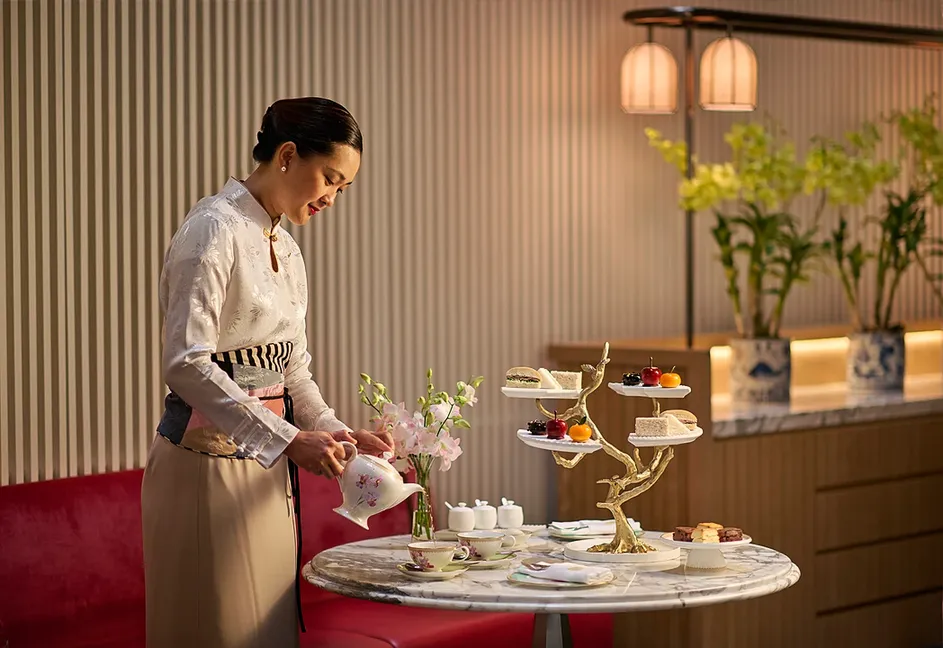
Scaling Luxury Without Emotional Dilution
Growth multiplies complexity. More properties, more boutiques, more staff, more cultural variance.
Without the deliberate reinforcement of behavioural standards, scaling introduces inconsistency. Inconsistency weakens trust. Trust erosion gradually impacts brand equity.
Luxury brands that grow successfully understand that emotional discipline must scale alongside operational systems.
In my advisory work across luxury hospitality and retail, this integration is structured through the P.E.A.R.L. framework — a capability model for frontline and leadership development. Within P.E.A.R.L., empathy and engagement sit alongside product expertise, adaptability, relationship-building, and commercial leverage. Emotional intelligence is not positioned as an optional soft skill but as a central pillar of performance.
Extreme empathy without structure risks inconsistency. Structure without empathy risks transactional service.
Luxury requires both.
Emotional Intelligence as a Performance Lever
In commercial contexts, empathy is sometimes dismissed as intangible. In reality, it directly influences measurable outcomes.
Emotional intelligence accelerates trust formation. It strengthens client confidence. It reduces friction in complex decisions. It deepens loyalty. It improves recovery in service gaps.
When teams are trained to observe emotional signals and adjust accordingly, conversion quality improves naturally. In hospitality, this transforms a stay into a meaningful memory. In retail, it transforms a purchase into a relationship.
Extreme empathy strengthens attachment — and attachment is one of the most defensible assets in luxury markets.
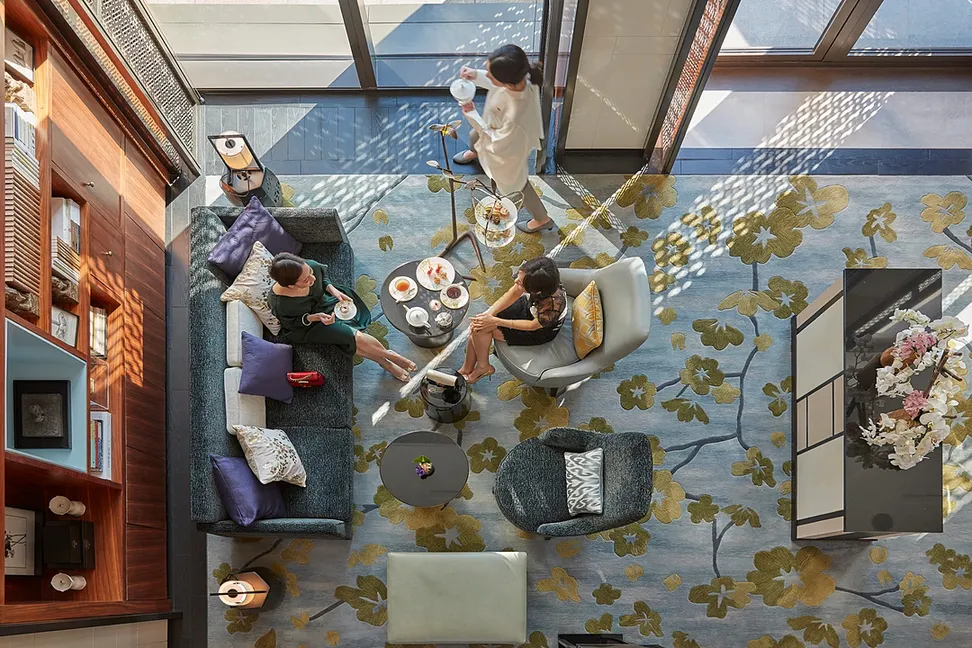
From Mindset to Measurement
If extreme empathy remains rhetorical, it fades under operational pressure.
It must be embedded deliberately.
At the leadership level, empathy must be defined as non-negotiable. At the capability level, teams require structured development in emotional intelligence, adaptability, and situational judgement. At the reinforcement level, behavioural standards must be discussed, observed, and refined through coaching conversations and feedback loops.
Traditional KPIs such as RevPAR, conversion rate, margin, and average transaction value remain essential. Yet in luxury environments, behavioural calibration determines whether these commercial results are sustainable.
Extreme empathy is cultivated. It is reinforced. It is measured.
As Mandarin Oriental pursues ambitious expansion while preserving emotional precision, the broader message for luxury hospitality and retail leaders is clear: growth is operational; attachment is emotional. Leadership must protect both.
Closing Reflection
In an age defined by digital acceleration and operational optimisation, it would be easy to assume that technology will determine competitive advantage.
It will not. Technology will raise the baseline. Emotional precision will define differentiation.
Extreme empathy is not an indulgence of sentiment. It is a disciplined commitment to relevance — to understanding what matters in the precise moment of interaction.
Luxury brands that treat empathy as a superpower rather than a personality trait will scale with identity intact. Those that neglect it may grow in size, yet gradually shrink in emotional significance.
STRATEGIC Q&A
What is extreme empathy in luxury hospitality?
Extreme empathy is a leadership-defined discipline that positions emotional intelligence and real-time relevance as central pillars of service excellence and brand differentiation.
How can luxury brands scale without diluting service quality?
By embedding empathy into recruitment, leadership development, training systems, and performance reviews. Growth must reinforce emotional precision rather than standardise service into scripts.
What role does AI play in luxury service environments?
AI enhances efficiency and operational consistency. It frees teams from routine tasks, creating space for meaningful human interaction where emotional attachment is built.
How does the P.E.A.R.L. framework support empathy in luxury sales and hospitality?
P.E.A.R.L. structures frontline capability across five dimensions: Product Expertise, Empathy & Engagement, Adaptability, Relationship-Building, and Leverage. Empathy is positioned as a core skill that works alongside commercial discipline to ensure emotional intelligence translates into performance outcomes.
Can empathy and emotional intelligence be measured in luxury organisations?
Yes. Through behavioural observation, structured coaching, guest feedback analysis, and integration into performance evaluations. Emotional precision becomes measurable when leaders define and reinforce observable standards.
All photographs used here serve purely as illustration. All rights remain with their original creators and owners.