EXECUTIVE INSIGHT
In 2026, as the global luxury landscape grows increasingly noisy, Japan offers a powerful recalibration toward essence and clarity. True excellence is found not in ostentation, but in the quiet consistency of quality, dignity, and respect.
Key lessons for luxury leaders in 2026:
- Culture as a Muscle: Excellence is a cultural byproduct; it thrives through repetition and shared standards rather than individual performance.
- The Power of Stillness: In a hyper-connected era, "unplugged luxury" and slow rituals become the ultimate status signals.
- Process over Spectacle: By applying the L.U.X.E. framework, brands can audit their journey to ensure that every touchpoint reflects a "return to essence".
- Mindset as Infrastructure: Omotenashi is not a service technique but a mindset of selfless, anticipatory hospitality that must be embedded in the team's DNA.
---
I have been researching the idea of Luxury in Asia for quite some years. Living and working in this part of the world for the last fifteen years gave me something that books and reports usually miss: the chance to observe how people live, how they behave, how they express pride and care, and how these small signals shape the wider idea of luxury. Much of my understanding comes from simply paying attention to everyday life — the rhythm of cities, the way service feels, the way people conduct themselves, and the cultural habits that influence expectations long before someone enters a boutique.
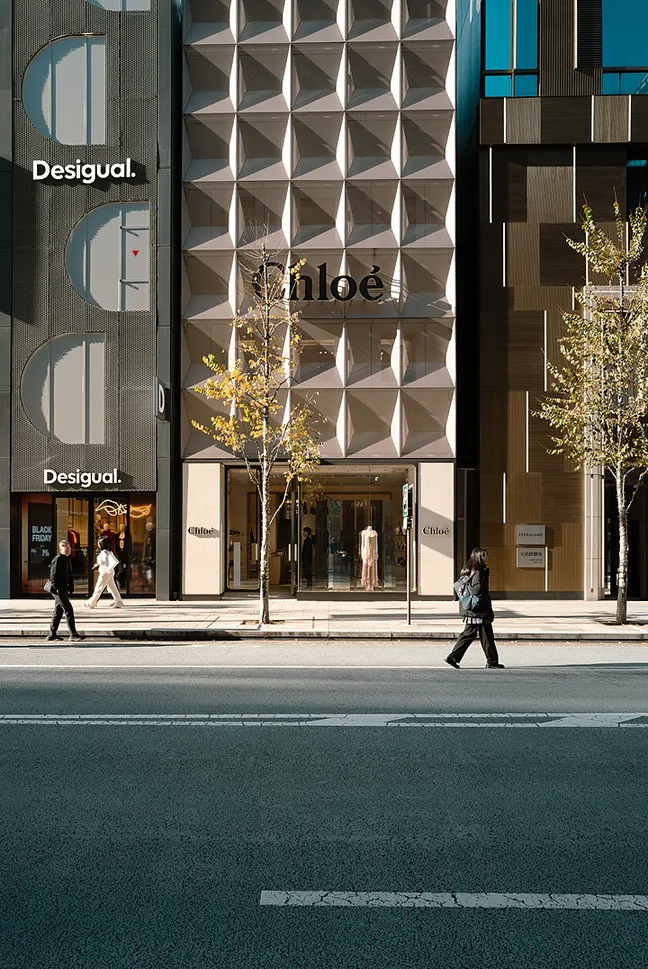
Over the past few years, I noticed a clear shift in the luxury industry. Luxury grew fast, and with this growth came a new level of volume. Brands multiplied their presence, expanded categories, created collaborations, launched activations, and embraced entertainment. All of this created reach, energy and momentum. Yet it also created a new atmosphere: luxury became constantly busier, constantly noisier, constantly present. It appeared in more places, across more channels, at a faster pace. And as this expanded, something subtle changed — the essence felt less pronounced.
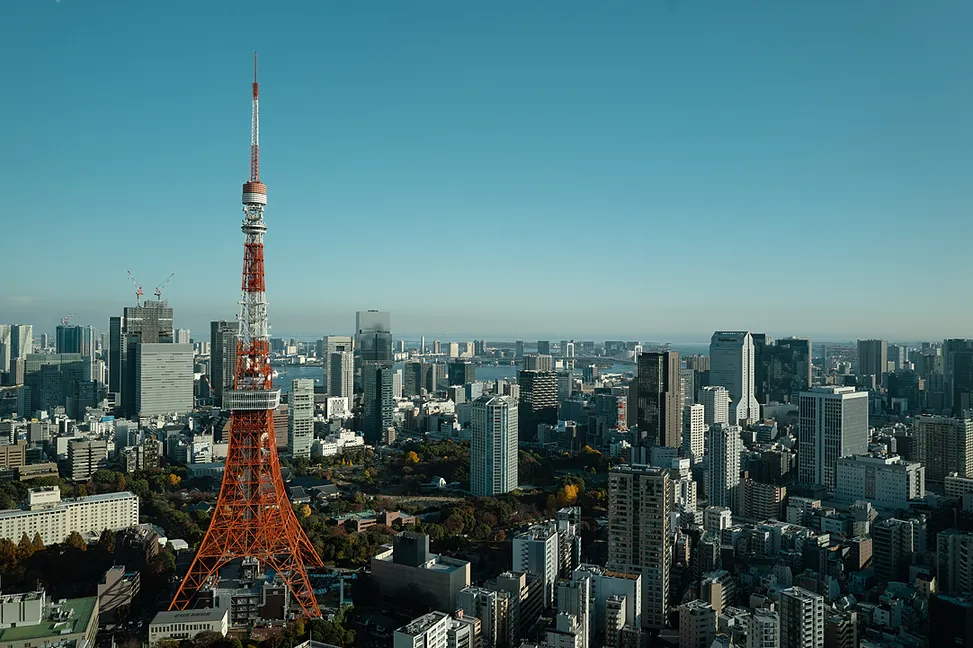
This became especially clear during my recent visits to four major Asian cities: Hong Kong, Singapore, Bangkok and Tokyo. Each place carries its own personality and cultural character. Hong Kong feels sharp and fast. Singapore expresses clarity and structure. Bangkok carries warmth and charisma. These qualities influence how luxury feels in each city and how people interact with it.
Japan — and Tokyo in particular — offered a different experience. A refreshing contrast to the growing buzz and hype that surrounds luxury globally. While every city I visited has its own charm, Japan stood out for its steadiness. Its everyday life reflects qualities that luxury often tries to express, yet sometimes loses sight of in its pursuit of speed and attention.
What struck me most in Tokyo came from simple, everyday observations — gestures, mannerisms, public behaviour, the way people move, speak, queue and care for their surroundings. None of these moments came from the luxury world. Yet they carried lessons that felt more relevant to luxury than many formal brand experiences.
Japan reminded me of something important: the essence of luxury lives in quality, dignity, respect and consistency. These qualities can be felt in daily life long before they appear in a product or a boutique.
Let’s look at a few observations from this trip — ordinary moments that quietly express the values luxury would benefit from reinstating.
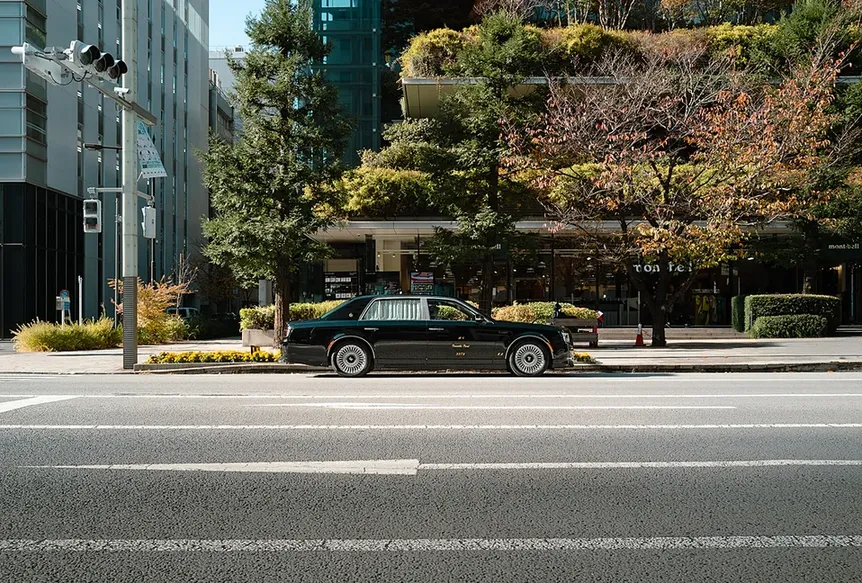
A Morning at the Buffet
One moment in particular stayed with me.
A small gesture during breakfast, in a quiet hotel dining room, revealed more about culture than any high-end interaction could have offered.
I queued behind a Japanese guest at the juice station. He carried three glasses. He filled the first one carefully, then lifted his head and recognised that I was waiting. With a gentle nod, he stepped aside and invited me to go ahead before he continued filling the remaining two.
This gesture lasted only a few seconds.
It changed the tone of my morning.
What stood out was the grace of the moment. The awareness of another person. The sense of respect extended without calculation. The absence of hurry. The clear intention to create harmony in a shared space. The calm way in which he held the situation, as if this simple act formed part of daily life.
I experienced similar moments more than once during my stay. These were not choreographed service gestures. They came from everyday people simply moving through the world with consideration. Tiny adjustments. Small pauses. Moments that create comfort for others.
Luxury invests heavily in service training to create these behaviours — yet here, they came naturally.
This breakfast scene became the anchor for the reflections that follow.
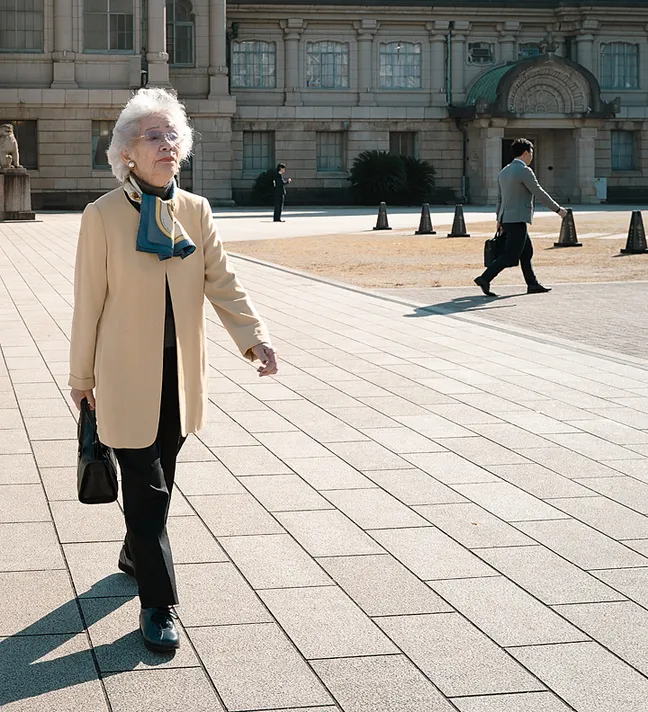
Everyday Quality as Cultural Practice
In Japan, quality lives in daily behaviour. It appears in thousands of small details that many societies treat as optional.
- A cleaner adjusting a bin liner until it sits perfectly.
- A construction worker aligning tools with quiet pride.
- A station attendant bowing as a train departs.
- A pavement repair completed with such precision that the finished surface looks untouched.
- A taxi queue organised through mutual courtesy rather than enforcement.
- A quietness in public spaces and transportation that creates a shared sense of ease.
- An awareness of others that shapes movement, allowing space with natural consideration.
These moments reveal something important: quality behaves like a cultural muscle. It grows through repetition, shared standards and a sense of dignity that exists regardless of job title or social role.

Another detail stood out to me during this trip: the way people present themselves, even in roles that many societies treat casually. The tie, for example, is very much alive in Japan. In many parts of the world, especially after Covid, ties almost disappeared from daily business life, even among senior leaders. In Japan, they remain part of a clear distinction between formal and casual, work and leisure. A tie becomes less of a fashion statement and more of a gesture of dignity — a sign of respect for oneself and for the people one encounters.
White gloves tell a similar story. They appear less frequently among taxi drivers than a decade ago, yet when you see them, they still symbolise immaculate service and personal pride. A simple act, yet incredibly expressive. It signals that the role matters, the interaction matters, the moment matters.
And then there are the helmets — worn by maintenance teams and construction workers in situations where many countries would treat them as unnecessary. In Japan, they reflect strict adherence to process, safety and craft. The protocol matters because the work matters. It reinforces a mindset in which quality arises from discipline rather than improvisation.
These elements — tie, gloves, helmet — may seem small, yet they express a coherent cultural philosophy: that dignity lives in details, and that presentation is an extension of care.
As a German, I recognise elements of this mindset. Both cultures believe in precision, in correct process, in the idea that each step can be refined further. Engineering pride in Germany and craftsmanship pride in Japan come from the same source: detail expresses identity. A small action becomes meaningful because it reflects who we are and how we contribute.
This creates an environment where trust feels natural. When people uphold standards consistently, society becomes easier to navigate. You expect care. You expect respect. You expect quality — not as an exception, but as a baseline.
Luxury thrives in such environments because the cultural foundation already carries the qualities luxury seeks to express.
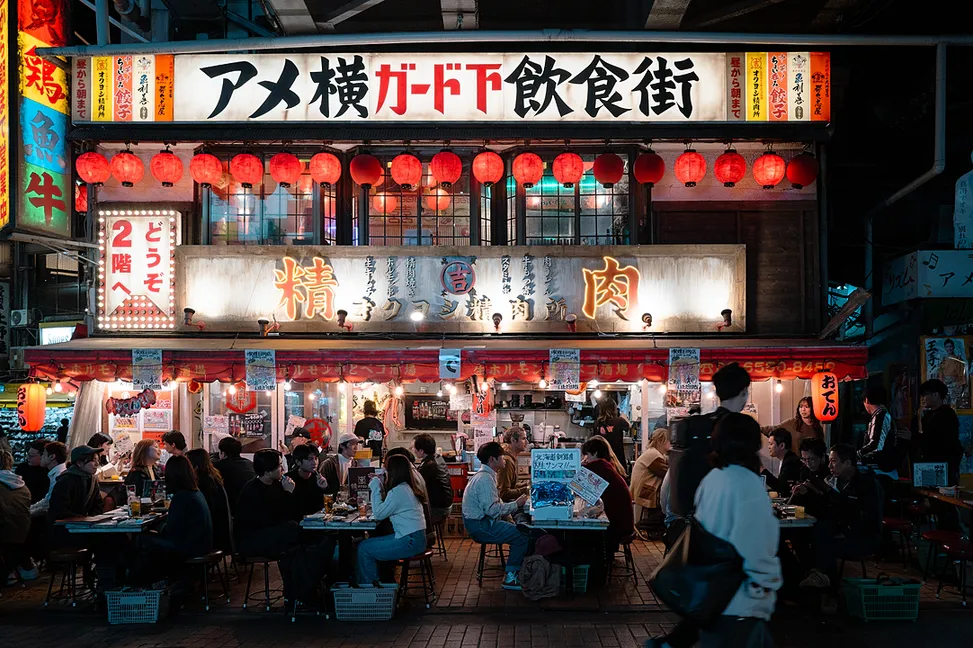
Omotenashi in Everyday Life
Japanese hospitality is often described through the concept of omotenashi, yet the word only captures a portion of its depth. Omotenashi lives in the way a shop assistant acknowledges a guest at exactly the right moment. It lives in the way a restaurant team moves with quiet coordination. It lives in the clarity with which directions are offered, in the steady warmth of a greeting, in the pride of a perfectly arranged counter.
Omotenashi does not try to impress.
- It creates ease.
- It offers comfort.
- It builds harmony between people.
Luxury brands around the world invest in training modules, vocabulary, gesture mapping and scenario practice to achieve this level of service. Yet in Japan, omotenashi grows naturally through cultural upbringing: a life-long education in manners, mutual respect, awareness of space and consideration for others.
This is why omotenashi feels effortless. It breathes. It flows. It creates a sense of calm confidence that feels deeply aligned with luxury’s original promise.
And it sets the stage for what comes next.
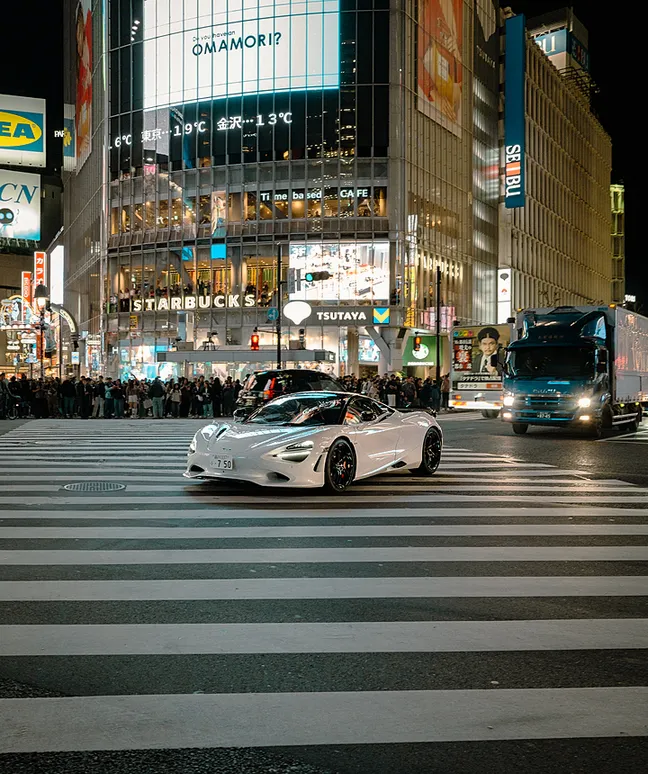
Cultural Mindset as a Foundation for Quality
The more time I spent observing everyday life in Japan, the more I realised that the real source of excellence sits much deeper than service technique. It lives in the mindset. A philosophy that shapes behaviour long before it becomes a gesture. You feel it in the way people take responsibility for their surroundings, in the way roles are carried with dignity, and in the way even the simplest tasks are approached with intention.
One of my favourite indicators of a society’s true character appears in places that seem mundane at first glance. In other words: "Show me your rubbish trucks and the uniforms of your garbage collectors and I’ll tell you who you are."
In Japan, this says everything. Rubbish trucks move through the streets with a level of cleanliness that many cities reserve for public transport. Workers wear uniforms that signal pride, not hierarchy. The message becomes unmistakable: every role contributes to the whole, and quality belongs everywhere, not only at the top.
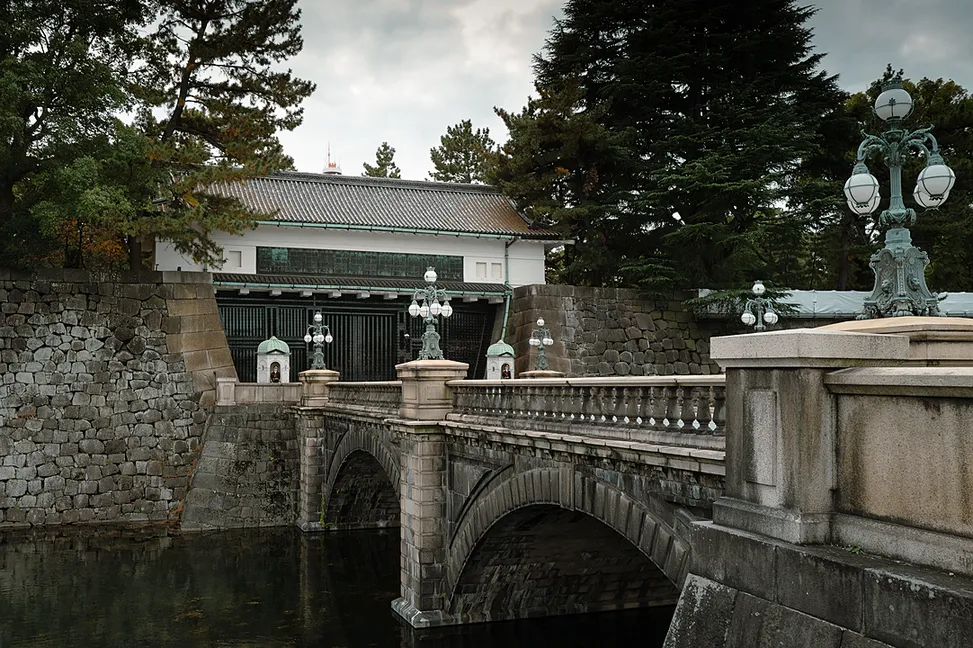
This philosophy connects directly to another defining force: the continuous-improvement mindset. Often summarised as kaizen, it reflects a belief that progress comes from steady refinement. A process becomes smoother, an interaction becomes clearer, a tool becomes more precise. The focus stays on craft — the idea that every task deserves care.
As a German, this feels familiar. Both cultures value precision, structure and the steady evolution of work. Improvement becomes a source of pride, not pressure, and confidence grows through detail.
Even recycling tells a story. In Japan, it becomes a civic rhythm. A daily expression of responsibility where households and neighbourhoods participate with collective discipline. Singapore, by comparison, still builds its relationship with recycling – a reminder that progress in small habits becomes a lever for societal development. These choices reveal how cultural values influence practical behaviour.
Of course, no culture represents a perfect model. Japan includes contradictions and challenges like every society. Idealising it would serve no purpose. Yet certain qualities offer real inspiration. They reveal what luxury can learn — especially now, when the industry grows louder, broader and more restless. These qualities bring us back to the essence. The elements that truly differentiate luxury in 2026 and beyond.
And this brings us to the reflections that sit at the heart of this feature.
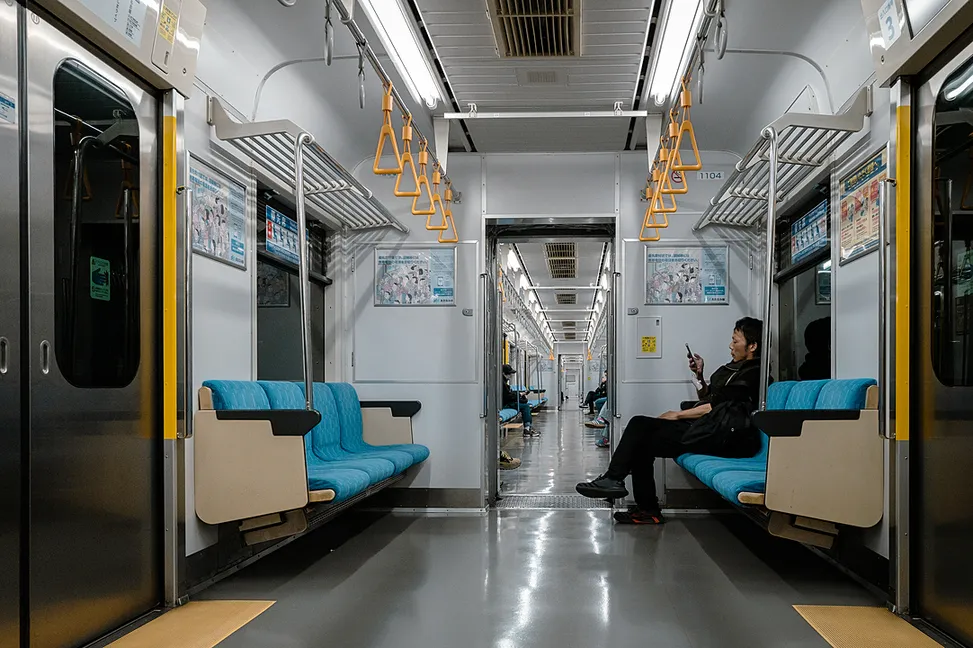
Eight Reflections on the Essence of Luxury
1. Be true to yourself
A brand gains strength through clarity, not imitation. The world moves fast, trends circulate quickly, and collaborations appear everywhere. Yet the strongest presence comes from a brand that knows itself deeply — its culture, its roots, its intention. Clarity helps clients feel grounded in a world of constant noise. Culture outperforms campaigns because it offers something rare: coherence.
2. Define standards you refuse to compromise
Japan’s consistency shows the power of non-negotiables. When a society upholds shared standards every day — in conduct, cleanliness, process, politeness — trust grows naturally. Luxury works the same way. Clients feel secure when standards stay steady, even as everything else evolves. A brand that protects its standards protects its value.
3. Never stop improving
Continuous improvement grows from a mindset that encourages refinement. Progress appears in small refinements: smoother interaction, clearer explanation, sharper presentation. Improvement lifts morale, sharpens skill and strengthens identity. A brand that improves steadily builds depth — and depth creates long-term desirability.
4. Apply impeccable craftsmanship
Craftsmanship expresses care. It reflects the hours, decisions and discipline behind the outcome. In Japan, this spirit appears in everyday tasks as much as in traditional crafts. Luxury thrives when its products and experiences reveal the same patience and pride. Craftsmanship becomes storytelling you can feel.
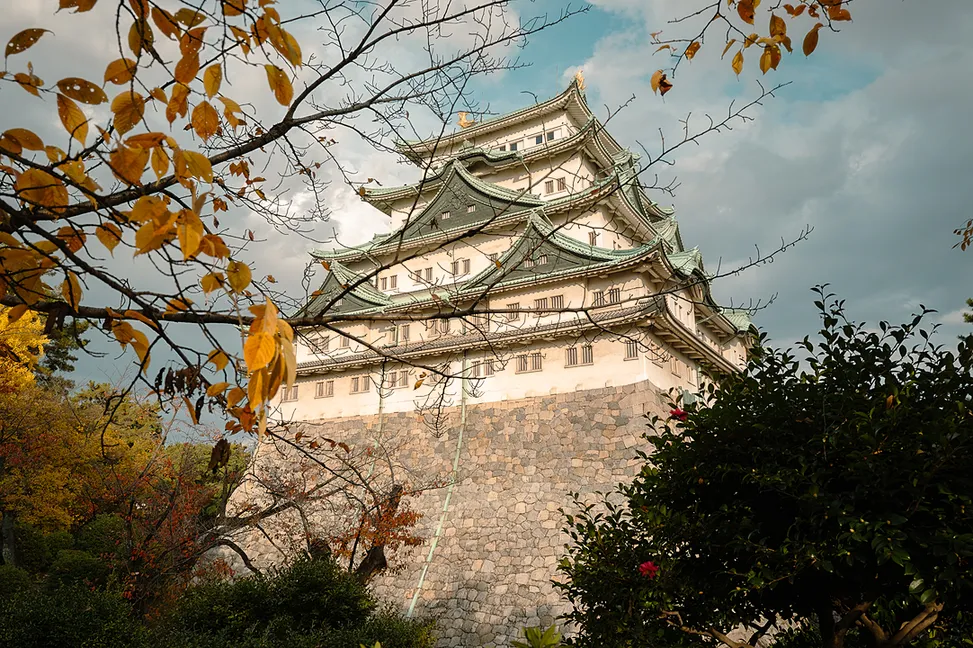
5. Honour dignity in every role
Luxury rises through people. The experience depends on posture, tone, warmth and presence. Dignity in a role creates dignity in the interaction. When people feel valued, they extend that value to clients. Japan shows how dignity in everyday work shapes the emotional climate of an entire culture — and luxury benefits from the same foundation.
6. Practise omotenashi as a mindset
Hospitality begins long before the client appears. Awareness of others, anticipation of needs, thoughtful timing — these create emotional comfort. Omotenashi shows how hospitality becomes an attitude rather than a technique. Luxury gains power when this mindset becomes natural across teams.
7. Focus on calm, not noise
Calm sharpens perception. It creates space to appreciate detail, materiality and intention. When luxury becomes too loud, its meaning becomes diluted. Japan demonstrates how quiet confidence can feel more compelling than spectacle. Calm strengthens the emotional impact of luxury more than volume ever could.
8. Build culture as the ultimate differentiator
Products can be matched. Campaigns can be copied. Culture stands alone. Culture shapes behaviour, service, atmosphere, expectations and relationships. In Japan, culture creates coherence — the invisible architecture that holds everything together. A luxury brand with cultural depth carries an identity that no competitor can replicate.
Closing Reflections
Japan offers something rare in today’s global luxury landscape: a reminder that true refinement comes from culture, not spectacle. The service moments, the public behaviour, the quiet rituals, the dignity in work — none of this exists for effect. It lives in the rhythm of everyday life. And because it feels natural, it feels powerful.
Luxury can take inspiration from this. Not by copying the aesthetic, but by understanding the principles behind it. Clarity instead of noise. Consistency instead of constant reinvention. Depth instead of distraction. A belief that excellence grows when people care about what they do — and care about how it affects others.
As brands move towards 2026, the opportunity lies in strengthening this core again. Clients seek something that grounds them — a sense of intention, a sense of coherence, a sense of being understood. The lessons from Japan offer a gentle recalibration towards that centre.
Luxury becomes meaningful when it helps people feel something real. And very often, the most meaningful things begin quietly.

All photos were taken by me on a Leica Q3.
STRATEGIC Q&A
What can global luxury brands learn from Japanese hospitality (Omotenashi)?
Omotenashi teaches that service should be anticipatory and selfless rather than transactional. For a luxury brand, this means moving beyond "checking boxes" to creating a sense of ease and harmony for the client. We use the P.E.A.R.L. framework to coach frontline teams in these subtle, high-impact skills.
How do luxury brands achieve "cultural coherence" in a fast-moving market?
Cultural coherence comes from knowing your brand’s roots and refusing to compromise on core standards. By integrating the L.I.N.K. framework, organisations can ensure that these values are shared across all departments, creating a unified "brand world" that feels grounded and authentic.
Why is "Quiet Luxury" more than just a trend for 2026?
Quiet luxury represents a maturity shift toward "Intentional Sophistication". Clients are prioritising craftsmanship and cultural fit over loud status symbols. To capture this, we apply 360 Client Mapping to understand the deep emotional drivers—not just the demographics—of the modern luxury consumer.